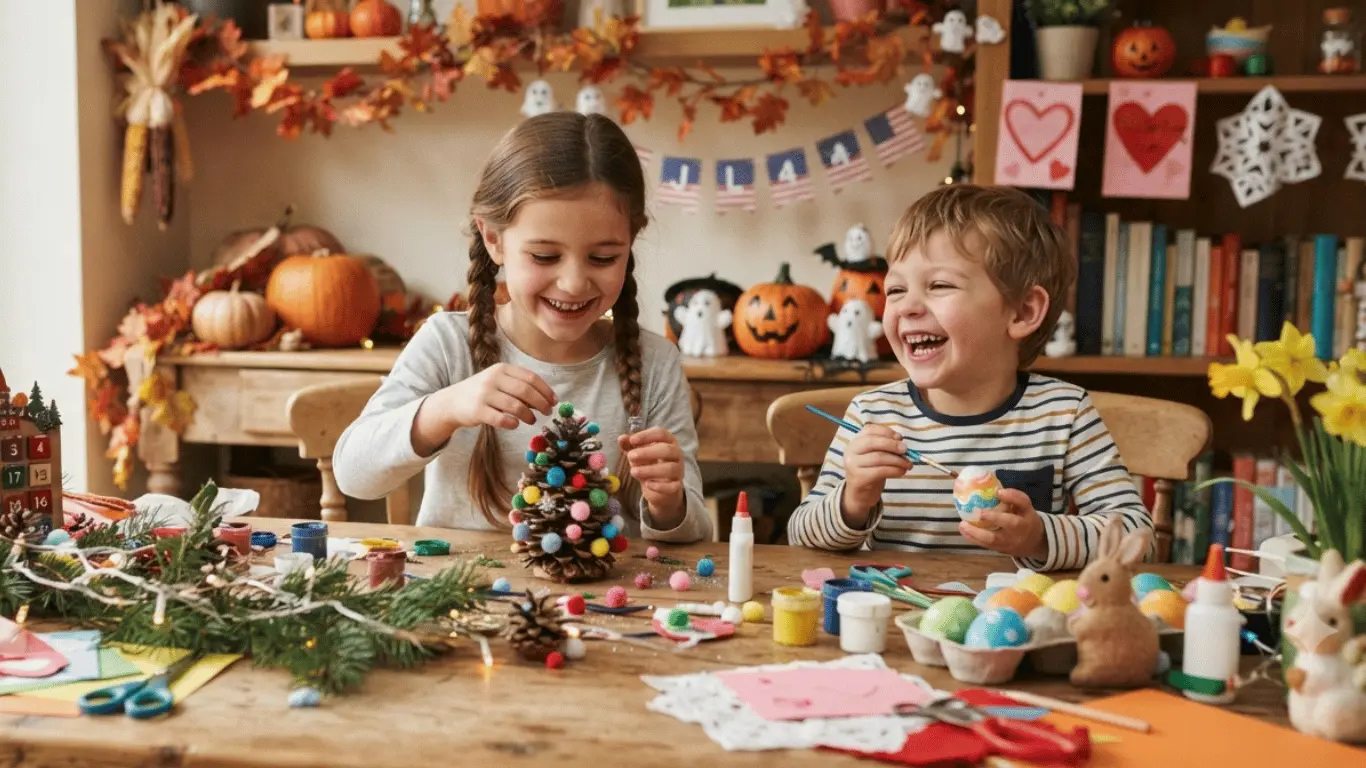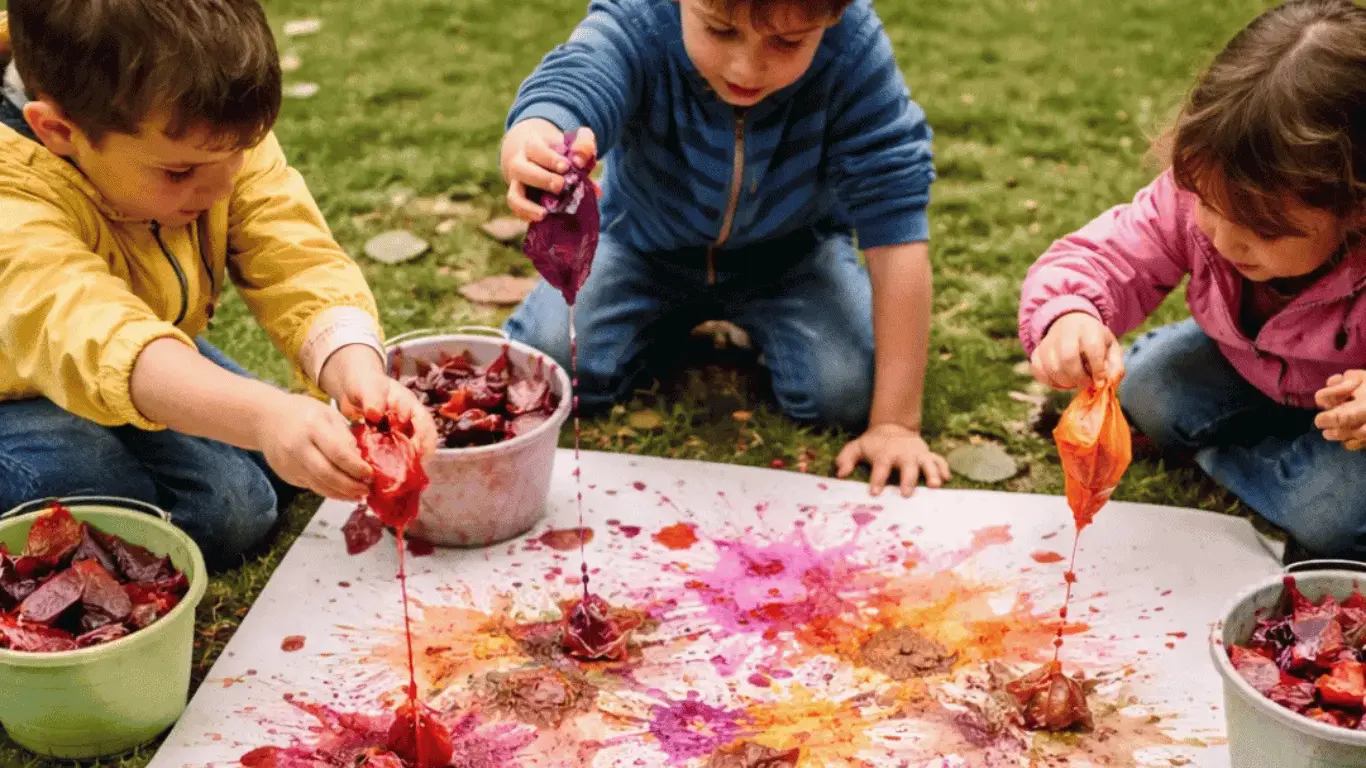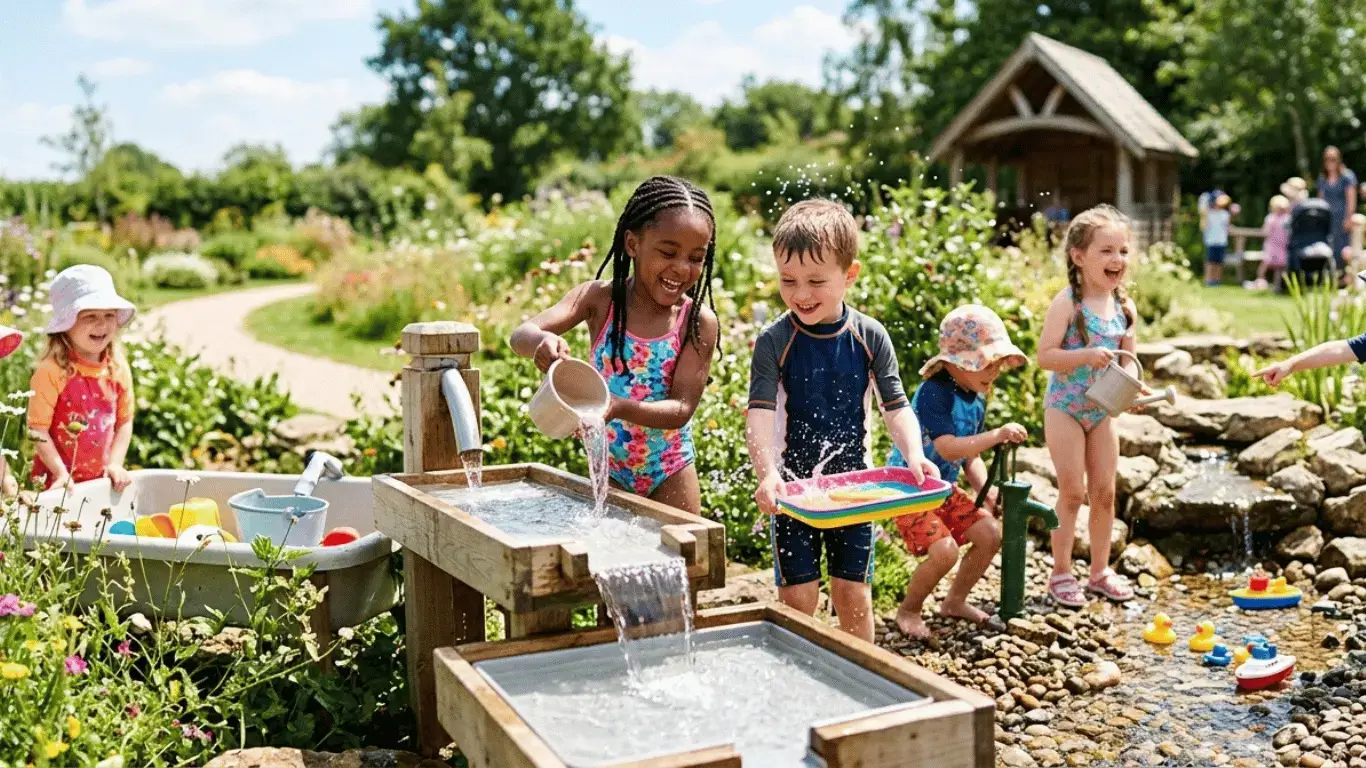
These five activities build fine motor skills, early learning and creativity — and most need nothing more than a sealed bag, a tub of Play-Doh, or a few bits from the kitchen drawer.
As a parent, I know how quickly toddlers get bored — and how much harder it is to find activities that are genuinely fun and developmentally useful, rather than ten minutes of setup for ninety seconds of play. I’ve tried it all: outdoor play, sensory bins, craft projects, early learning games. A few were brilliant, one or two were a flop, and there’s still glitter from one attempt turning up in odd corners of the house..
What’s made the biggest difference is sticking to activities that are easy to set up, genuinely engaging, and developmentally beneficial — supporting fine motor skills, early learning, creativity and problem-solving, while giving you a little breathing room too.
What this post covers
- 5 toddler and preschooler activities, most of them mess-free
- Why each one works developmentally, not just as a time-filler
- Simple setups using things you likely already have at home
- Answers to the sensory play and fine motor questions parents ask most
Why activity variety matters
Toddlers and preschoolers learn through their hands, not worksheets. A good rotation of activities does more than fill time — it strengthens the muscles they’ll need for writing and cutting, introduces colours, shapes and early problem-solving, and gives them a safe outlet for creativity and imagination.
Calm, structured sensory activities can also help with focus and self-regulation, which is part of why they work so well as a wind-down before nap or bedtime.
Builds the hand strength needed for writing and cutting
Introduces colours, shapes, numbers and early problem-solving
Encourages storytelling, imaginative and inventive play
Calming, structured play supports focus and self-soothing
The 5 activities
Easy activities to try this week
No special kit needed — just a few household basics and ten spare minutes.
1
Activity one
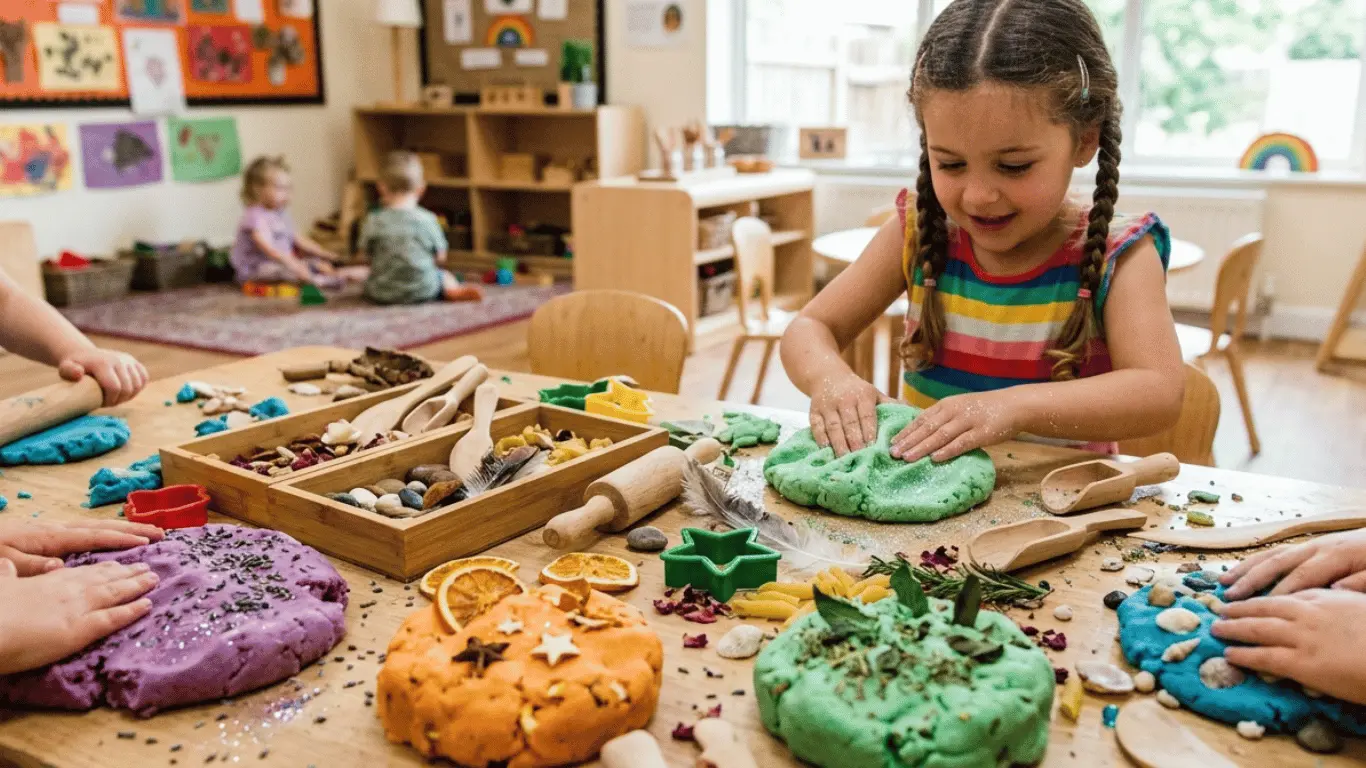
Play-Doh fun for hands-on learning
Play-Doh is one of the simplest, most versatile activities toddlers and preschoolers love. It’s perfect for squishing, rolling and shaping — and it’s just as calming for little hands as it is useful for learning numbers, letters and shapes.
- Builds hand strength and coordination
- Supports early letter, number and shape recognition
- Want more ideas? See our full guide: 5 Fun Play-Doh Activities for Toddlers and Preschoolers
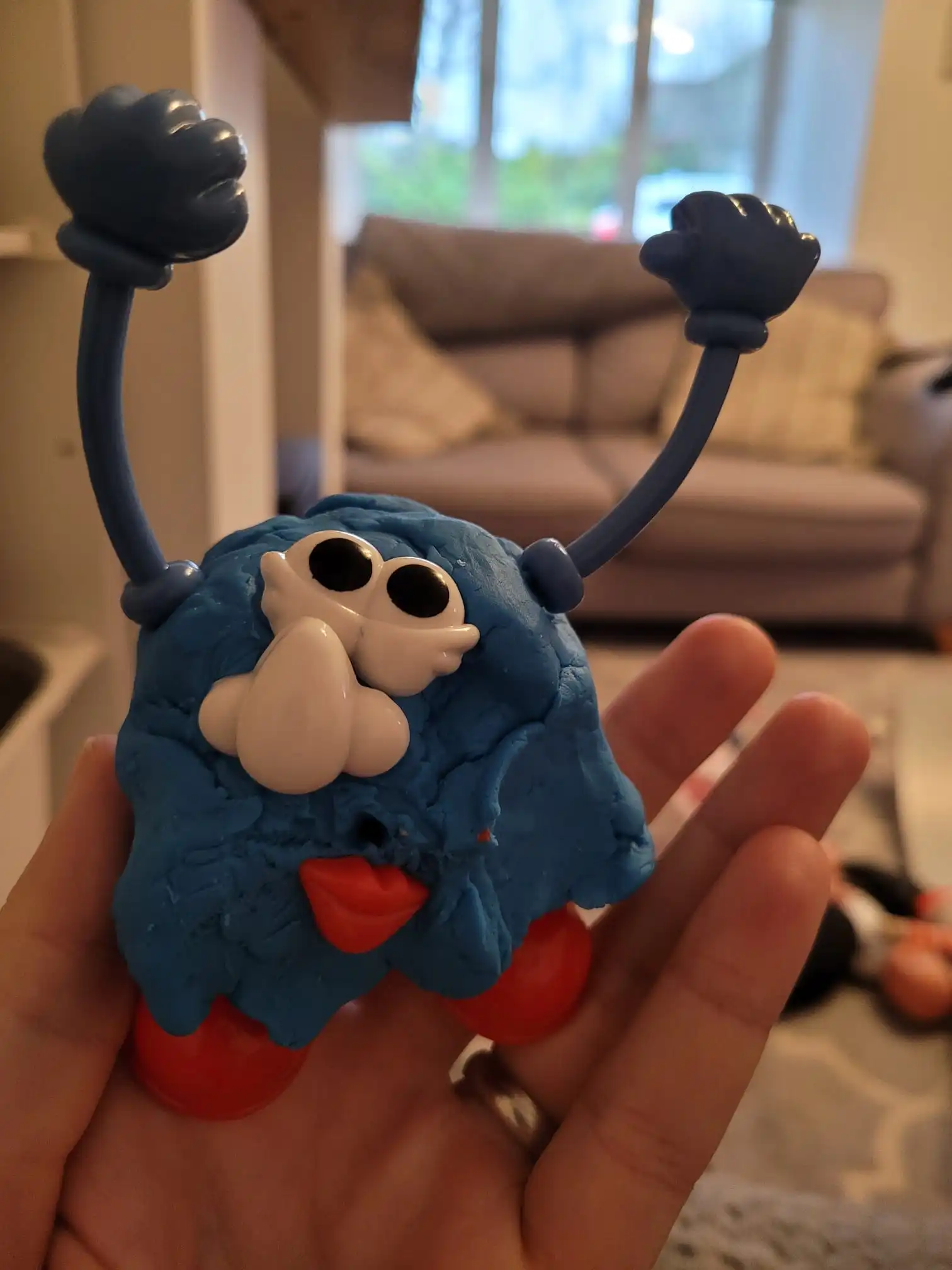
Our daughter had so much fun creating playdoh monsters.
2
Activity two
Mess-free sensory play
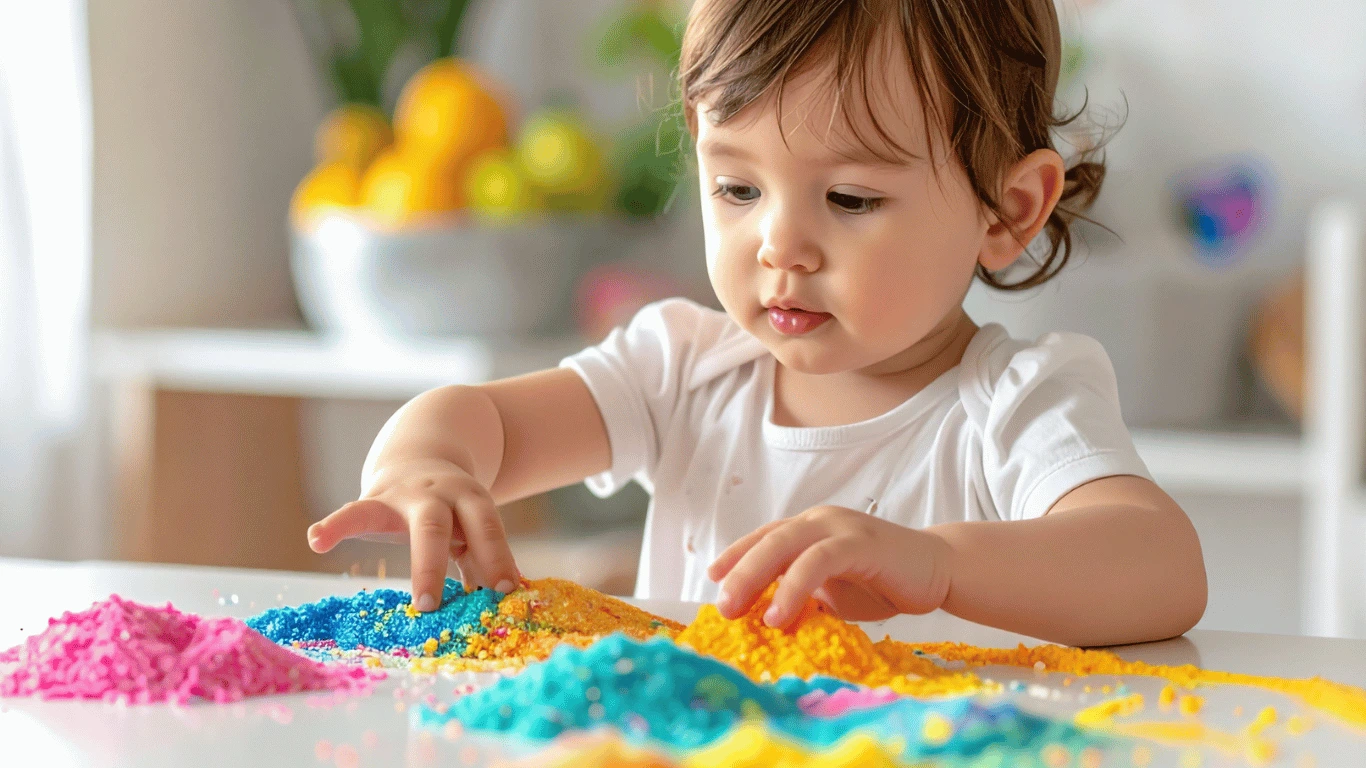
Toddlers love exploring textures and colours, but traditional sensory play can mean a lot of cleanup. Sealed-bag sensory play lets them experiment without the stress of mess on the table or the floor.
- Explores colour and texture safely
- Develops hand strength and coordination
- Want more sensory ideas? See our guide: 5 Sensory Dough Ideas for EYFS Learning Through Play
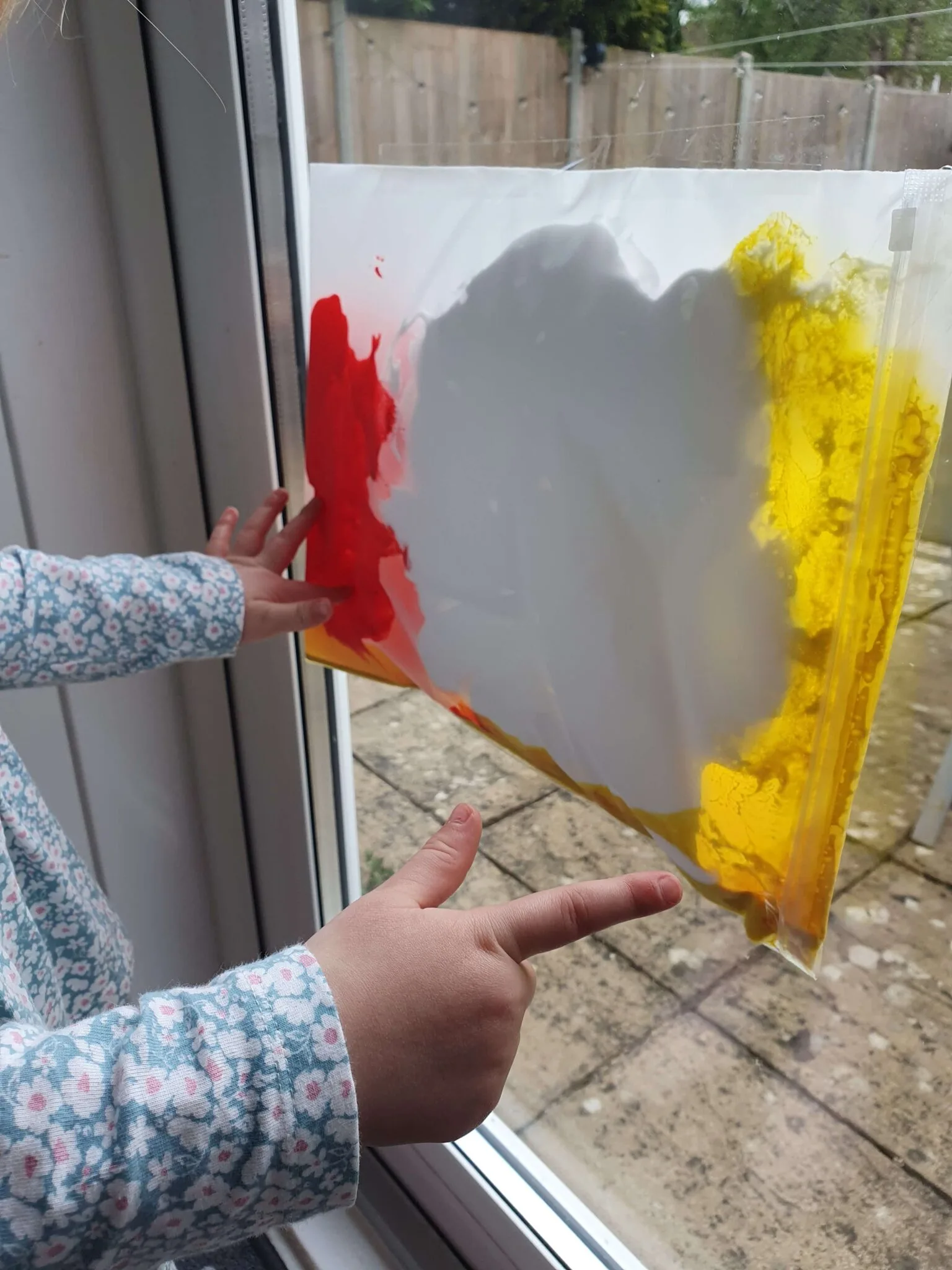
Exploring textures and colours
3
Activity three
Simple early learning games
Games help toddlers absorb numbers, letters and problem-solving skills without it ever feeling like a lesson — which is exactly when learning sticks best.
- Builds early maths and pattern recognition
- Strengthens fine motor skills
- More games to try: 5 Hands-On Early Years Learning Activities at Home or Outdoors
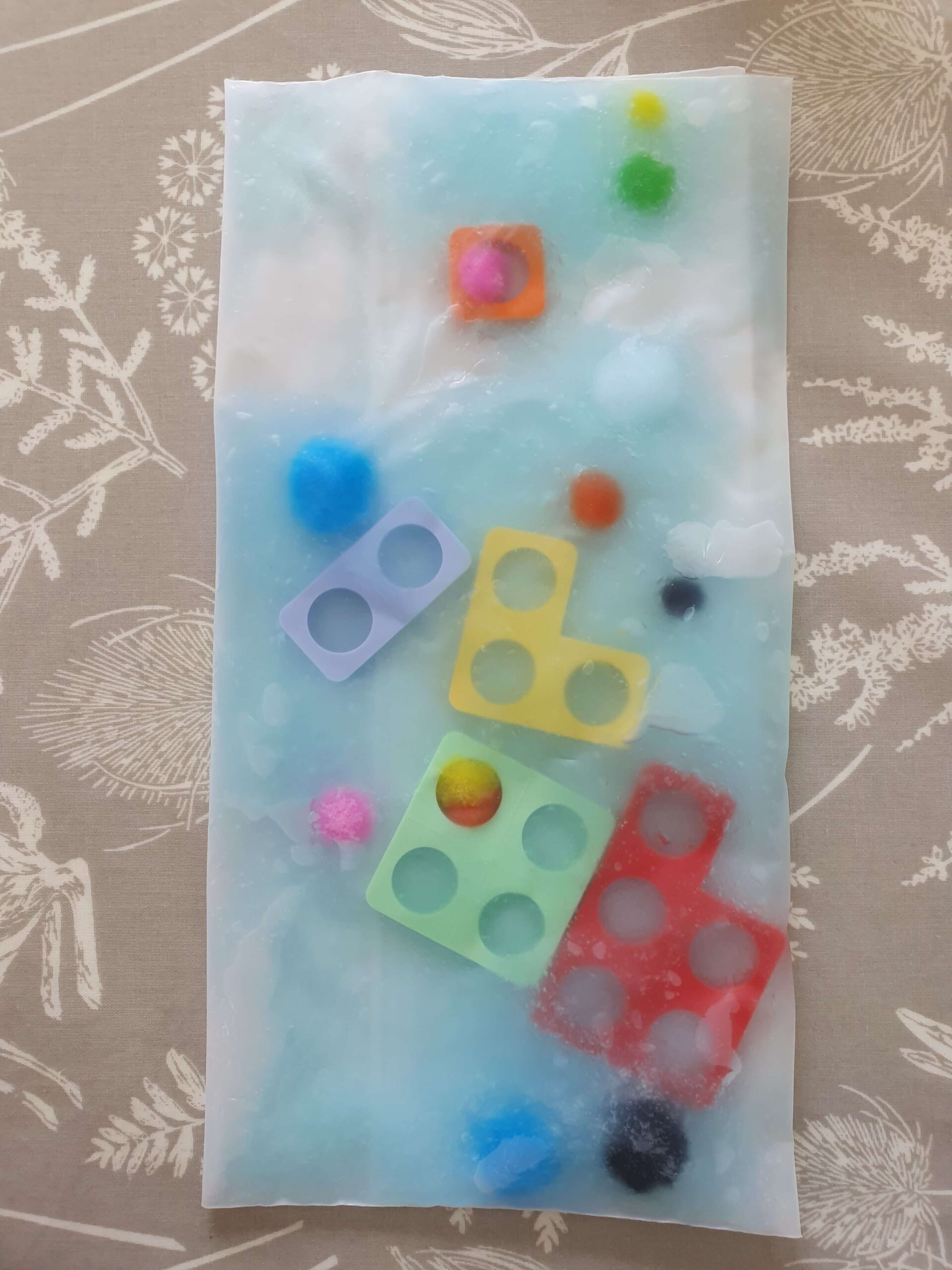
Our daughter was problem-solving while having fun and she didn’t know it.
4
Activity four
Creative fine motor activities
Fine motor skills are the foundation for writing, cutting and daily tasks. Hands-on drawing, pinching and squeezing exercises build the strength and control toddlers need before they ever pick up a pencil.
- Builds hand and arm strength
- Supports early mark-making and handwriting readiness
- Building toward writing? See: 5 Fun Early Writing Games for Preschoolers
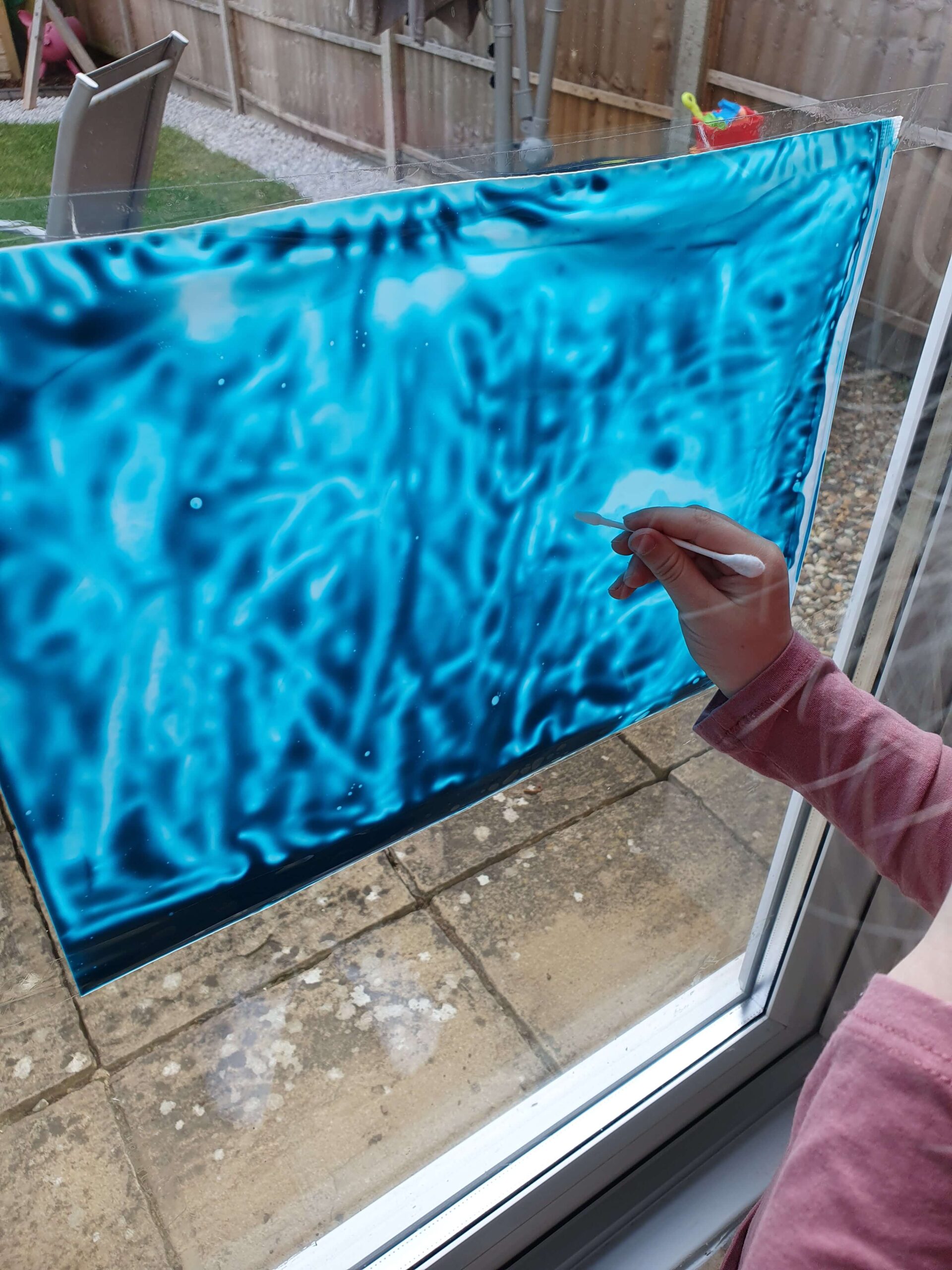
Such a simple way to build up strength
5
Activity five
Themed sensory or imaginative play
A theme — space, animals, the ocean — turns a simple activity into an immersive one, and immersive play is where you’ll see real imagination and storytelling come out.
- Builds creativity and imaginative storytelling
- Introduces early science concepts through play
- Want to take it outdoors? Try: Garden Activities for Kids: 5 Easy Ideas for Learning Through Play
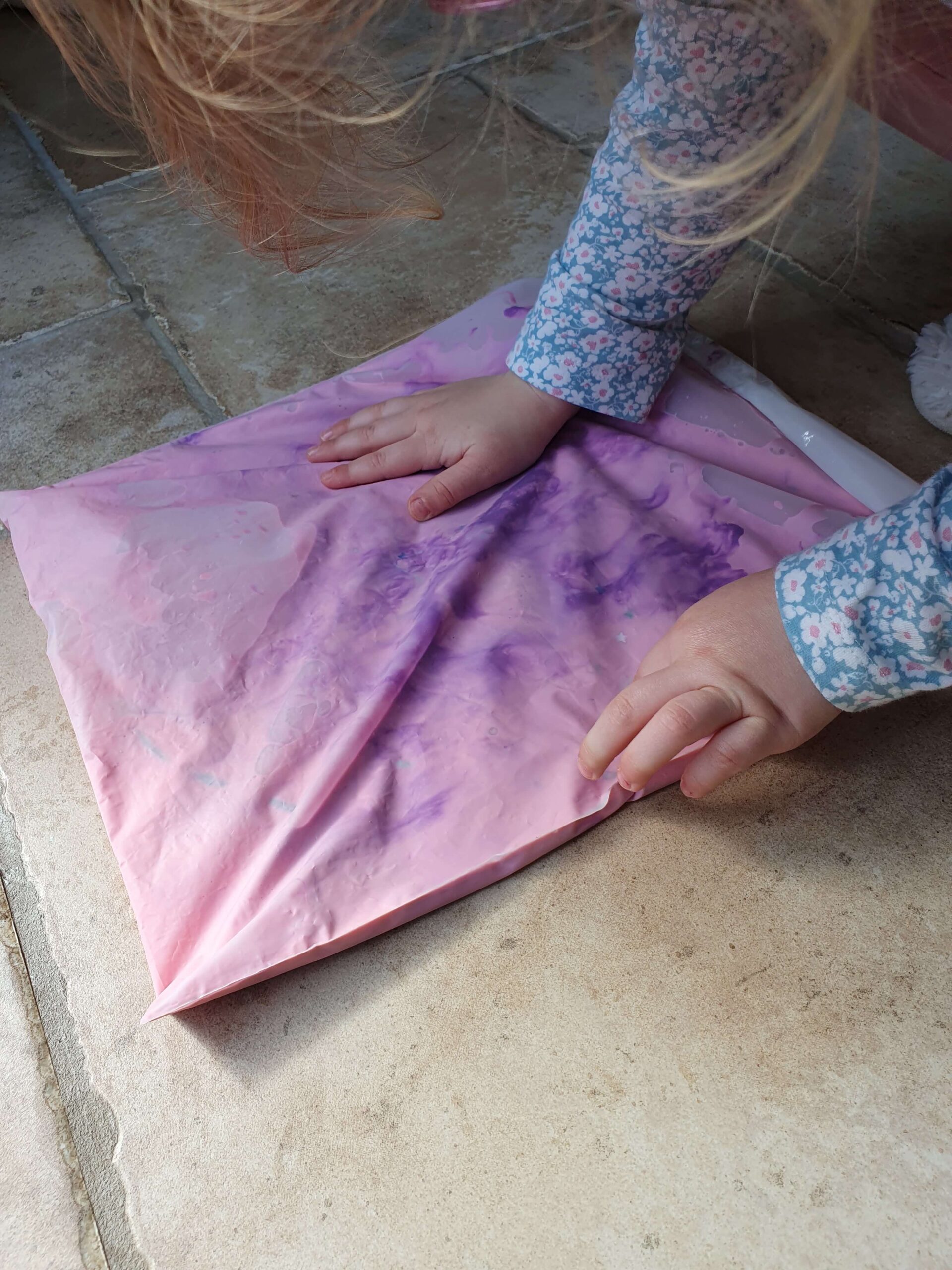
Pick your theme and run with it
Simple beats complicated, every time
None of these activities need special kit, a Pinterest-worthy setup, or an entire afternoon. A tub of Play-Doh, a sealed bag, and ten spare minutes are enough to build real fine motor, early learning and creative skills — while keeping the cleanup, and your sanity, intact.
For more ideas by material, see our Play-Doh activity guide. If your child is moving into the 3–5 EYFS stage, our EYFS activities guide covers the next stage of hands-on learning.
Common questions about toddler and preschooler activities
Written by a mum & primary school teacher
With years in the classroom and plenty of trial and error at home, I write about the practical, honest side of early childhood — activities that genuinely work, not just ones that photograph well.