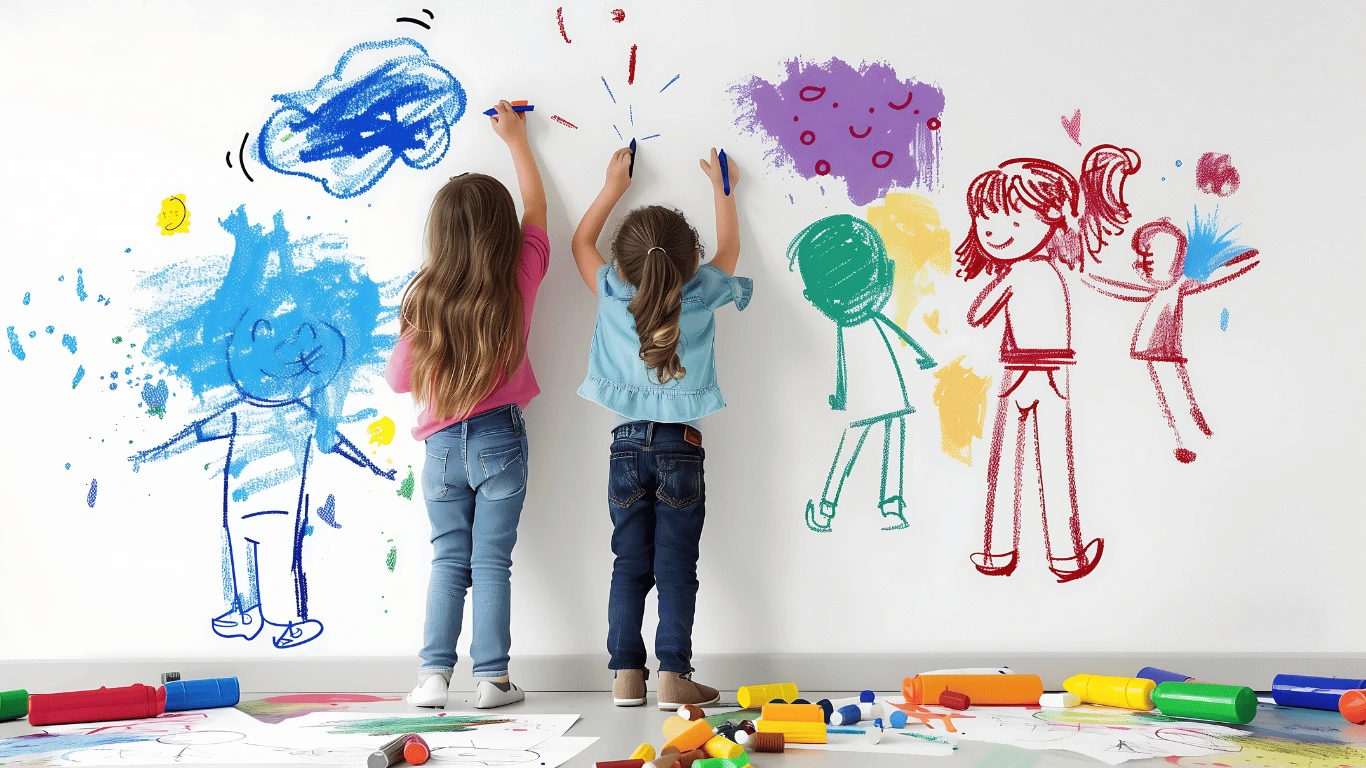
Every one of these five activities lives inside a sealed zip-lock bag — so your toddler gets the full benefit of sensory play, and you get to keep your table, carpet and sanity intact.
I’ve tried more finger painting, play dough and slime than I can count. My kids loved every bit of it — the textures, the colours, the squishing — but I spent just as much time scrubbing paint off the table, vacuuming glitter, or soaking stained school jumpers. Somewhere along the way I started sealing the mess inside the bag instead of letting it loose on my kitchen, and it changed everything.
This is one of the five ideas from our round-up of mess-free activities for toddlers and preschoolers, expanded here into a full set of sensory-specific bags you can build in minutes with things already in your cupboard.
What this post covers
- 5 zip-lock bag sensory activities, each fully mess-free
- Exactly what to put in the bag and how to seal it safely
- The specific developmental benefit behind each one
- Answers to the sensory play questions parents ask most
Why sensory play matters, even in a sealed bag
Toddlers learn through their hands long before they learn through worksheets. Squeezing, pressing and mixing inside a sealed bag gives them the same textures, colours and problem-solving as traditional sensory play — the bag only removes the mess, not the learning.
These calm, repetitive movements also help with focus and self-regulation, which is part of why sensory bags work so well as a settle-down activity before nap or bedtime.
Strengthens hands for writing, cutting and self-care
Introduces colours, shapes, counting and early maths
Encourages creative, open-ended problem-solving
Calming and repetitive — supports focus and self-soothing
The 5 activities
5 sensory bags to try this week
Every one of these seals inside a zip-lock bag — so the learning stays, and the mess doesn’t.
1
Activity one
Shaving foam and paint: colour mixing
This is the easiest one to start with — three household items and under two minutes to set up. It’s a brilliant first sensory bag if you’ve never tried one before.
- Add buttons or foam shapes for sorting by colour
- Ask your child to name each colour as it appears
- Builds fine motor skills and early colour-mixing language
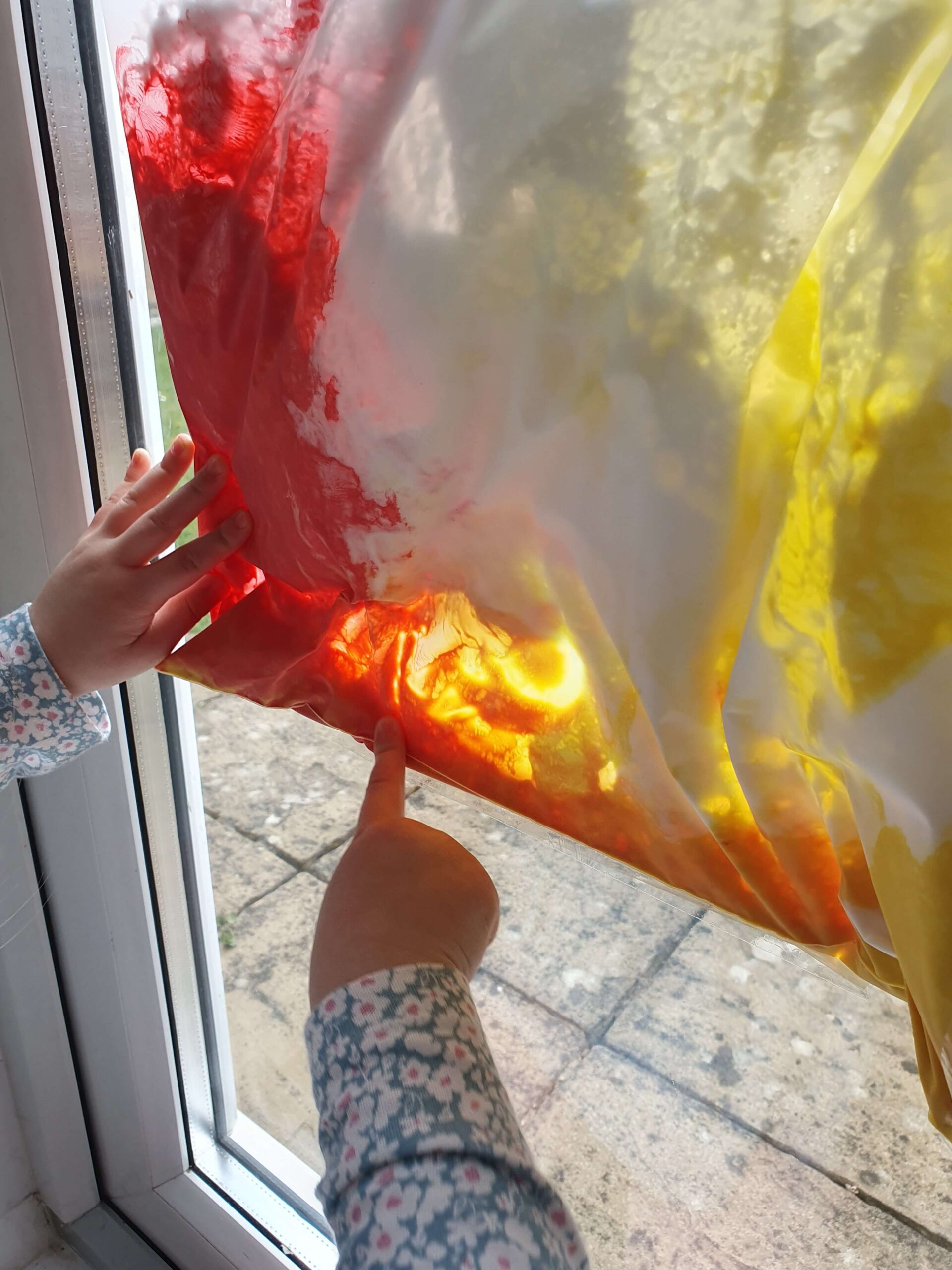
It’s so simple, yet so effective.
2
Activity two
Hair gel, Numicon and pom-poms: sensory maths
This one turns squeezing and pushing into genuine early maths practice — sorting, counting and pattern matching, all through play.
- Use different pom-pom colours or sizes for sorting and counting
- Match Numicon shapes to numbers or simple patterns
- Want more early maths ideas? See our guide: 5 Hands-On Early Years Learning Activities at Home or Outdoors
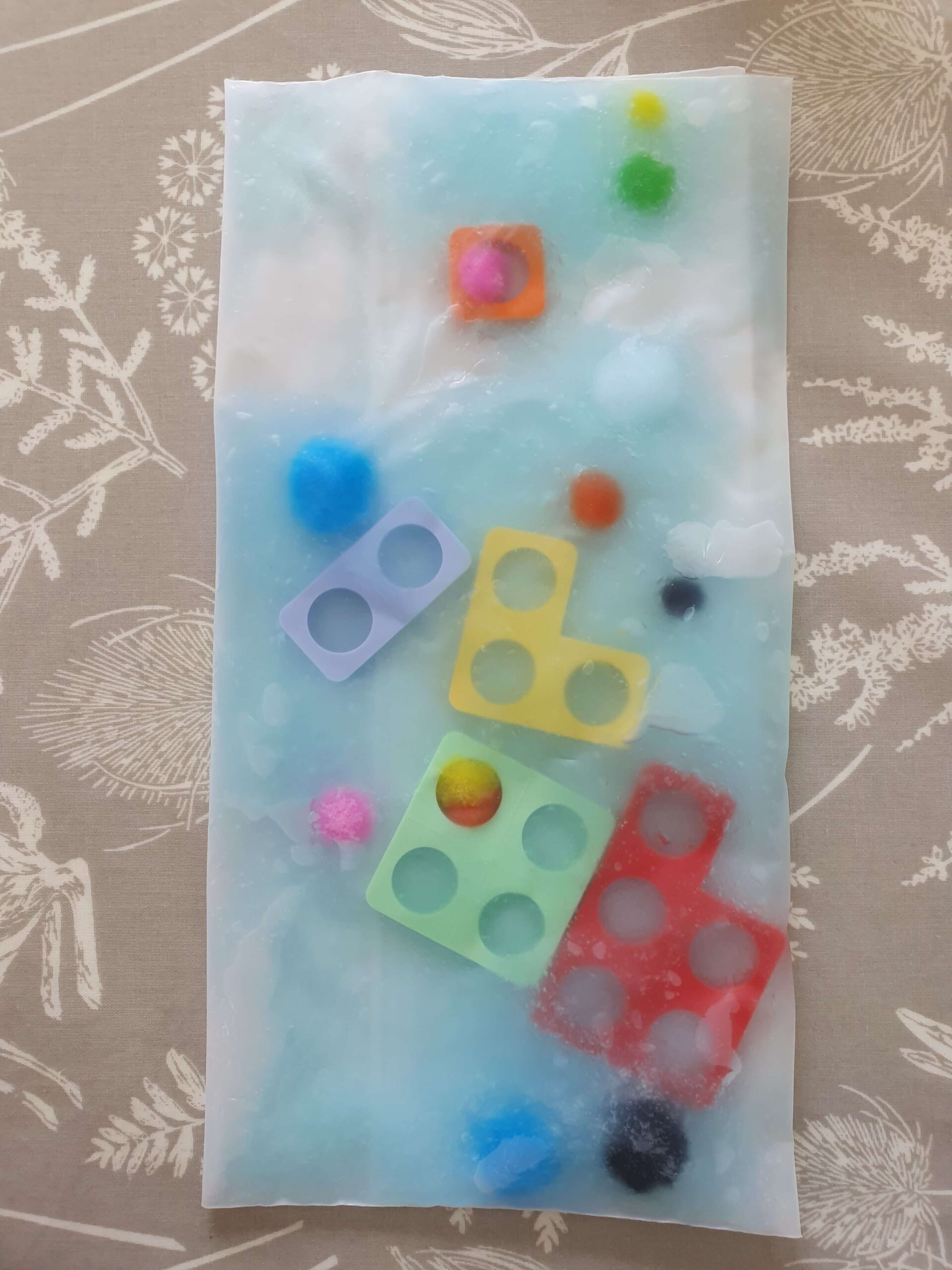
A brilliant way to introduce Math through play.
3
Activity three
Paint and cotton buds: fine motor practice
This is the one I reach for when I want to build the hand and arm strength toddlers will need for handwriting later on — without a single paintbrush in sight.
- Practise letters, shapes or simple pre-writing strokes
- Older preschoolers can trace a printed shape held behind the bag
- Building toward writing? See: 5 Fun Early Writing Games for Preschoolers
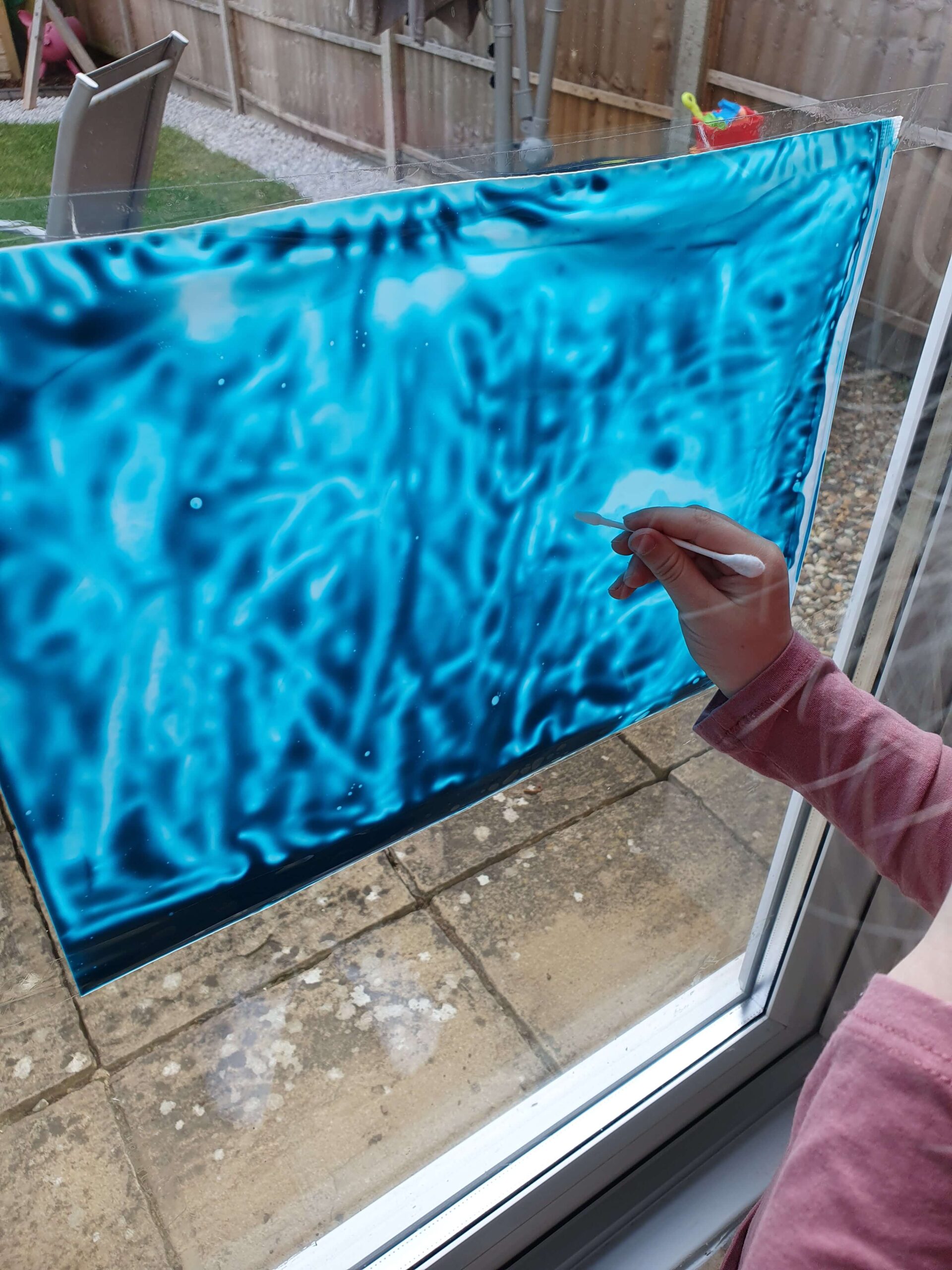
This kept our children entertained for hours.
4
Activity four
Water beads and jelly baff: sensory exploration
The squishiest bag on this list, and usually the favourite. It’s a lovely one for calming, unstructured exploration on a day that needs slowing down.
- Hide small letters or shapes inside for a sensory scavenger hunt
- Supervise closely if your toddler still mouths objects
- Older children can experiment with counting or simple patterns
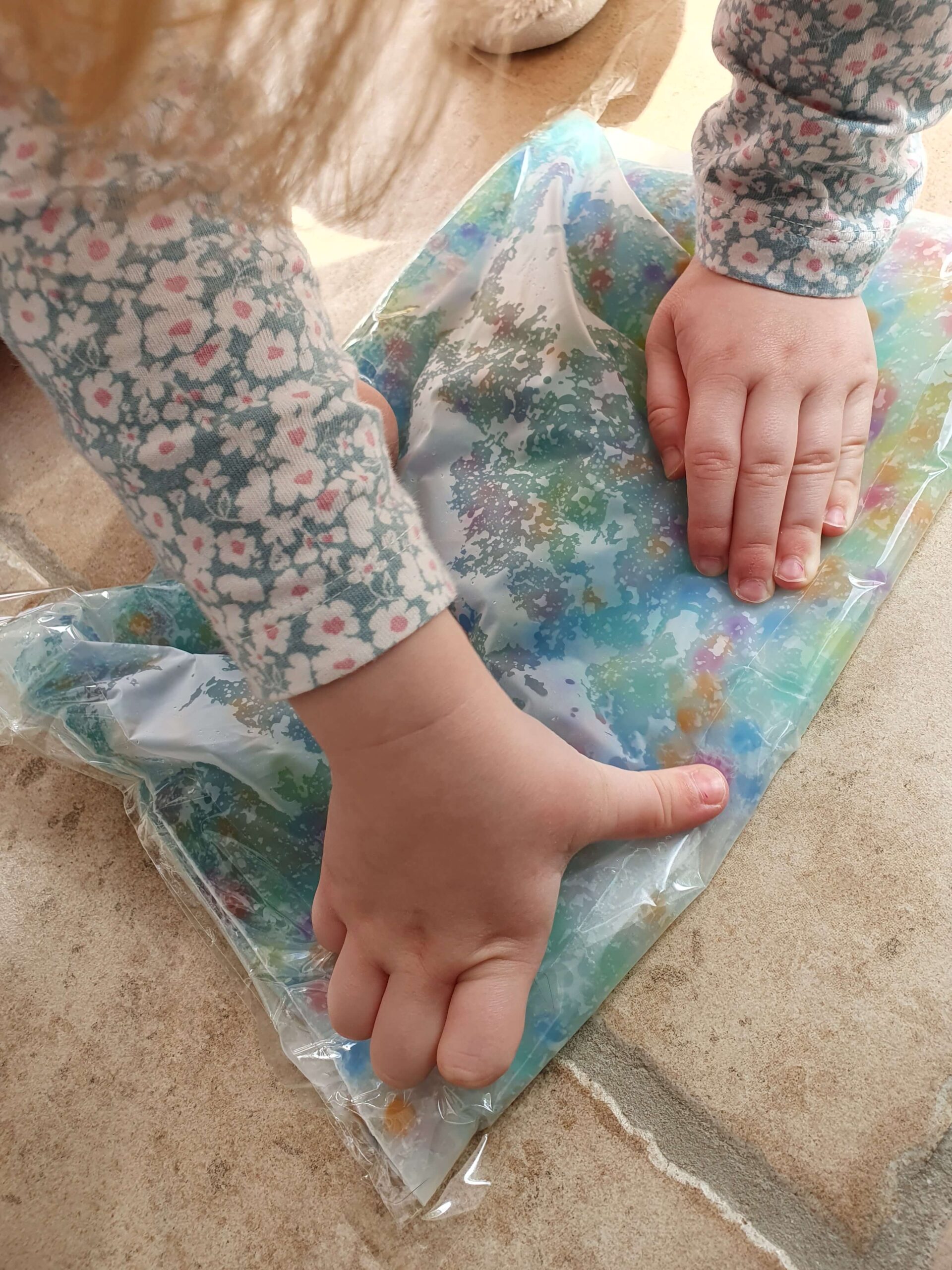
It’s a great stress reliever for adults as well. 😉
5
Activity five
Space-themed oobleck: a mess-free galaxy
A theme turns a simple bag into an immersive one, and this is the activity where imaginative play really comes out — plus a gentle introduction to solids and liquids.
- Encourage your child to “find the stars” hidden in the mixture
- Talk through solid versus liquid with older preschoolers
- Want to take sensory play outdoors? Try: Garden Activities for Kids: 5 Easy Ideas for Learning Through Play
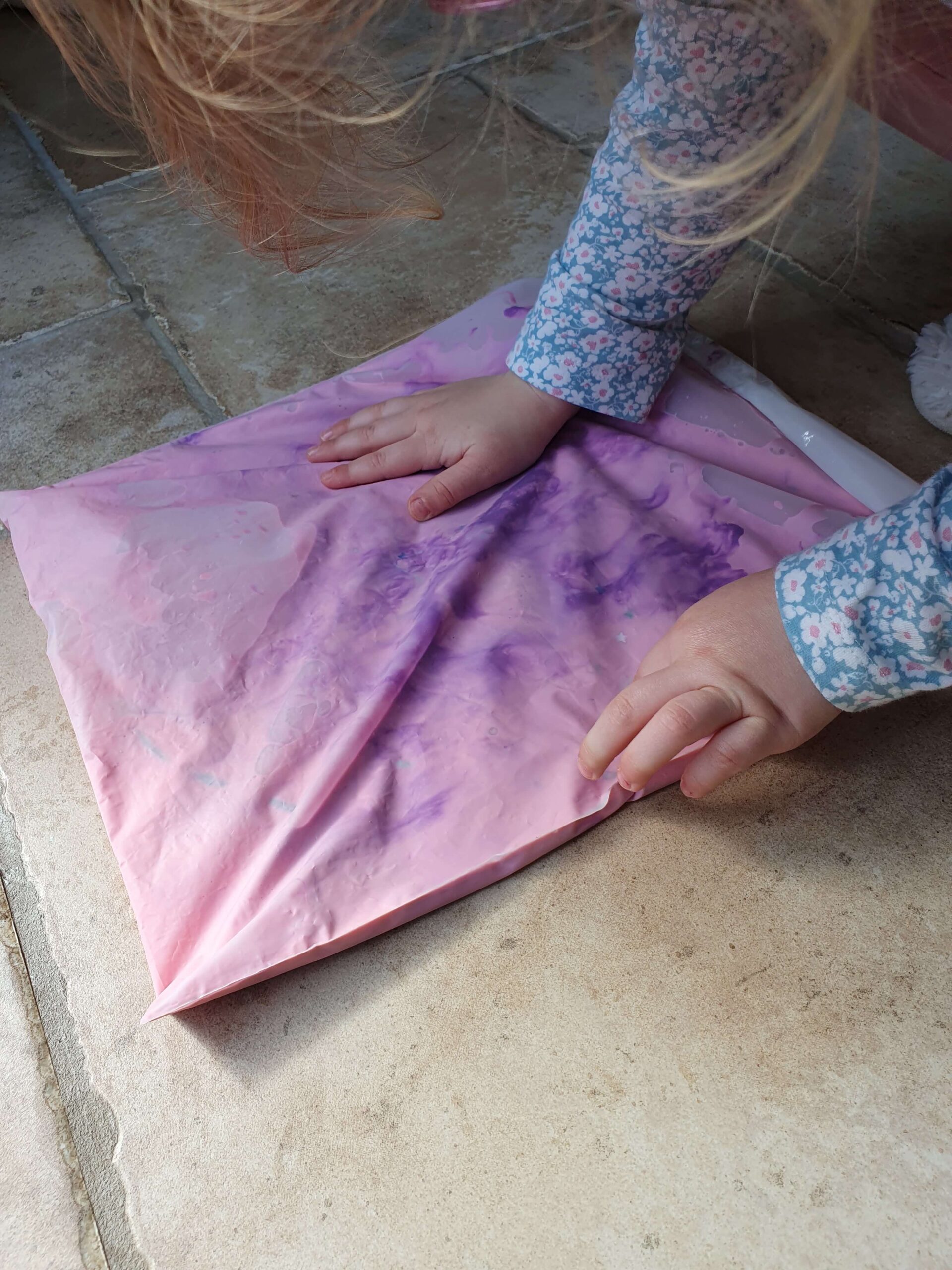
Pick any theme you can think of.
Sensory play doesn’t have to be messy to be meaningful
None of these need a big setup or a spare afternoon — just a zip-lock bag, a few things from the cupboard, and a bit of tape. Each one still builds fine motor skills, early maths, creativity and focus; the bag just keeps the mess where it belongs.
For more sensory ideas by stage, see our EYFS sensory dough guide, or browse the full mess-free activities round-up for more low-cleanup ideas.
Common questions about mess-free sensory play
Written by a mum & primary school teacher
With years in the classroom and plenty of trial and error at home, I write about the practical, honest side of early childhood — activities that genuinely work, not just ones that photograph well.