

When our toddler started withholding poo, we felt stuck. Everything we tried seemed to make things worse. Over time, we learned that small, gentle changes and understanding her needs made a huge difference.
Here are five do’s and don’ts we followed as parents navigating this tricky phase.
Do Stay Calm and Reassuring / Don’t Show Frustration
Toddlers are incredibly sensitive to our reactions. Showing stress or anger can increase anxiety and resistance.
What helped:
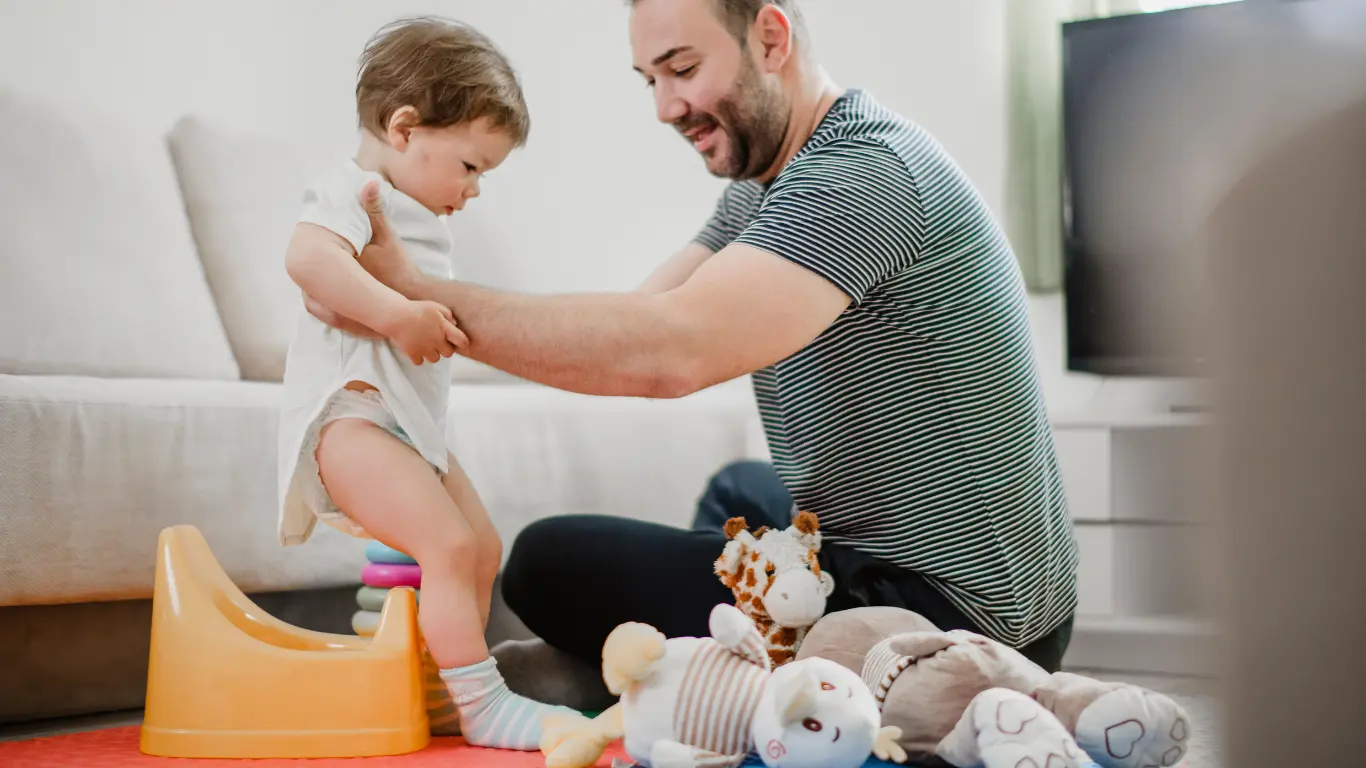
We reminded ourselves that withholding is rarely misbehaviour—it’s usually fear or discomfort. Using gentle language and keeping potty time relaxed helped our daughter feel safe and more willing to try.
Example: One evening she refused to sit at all. Instead of asking repeatedly, I quietly sat next to her with a storybook. After a few minutes, she felt safe enough to sit, and that small step helped rebuild her confidence.
2.
Do Build a Gentle Routine / Don’t Force the Potty
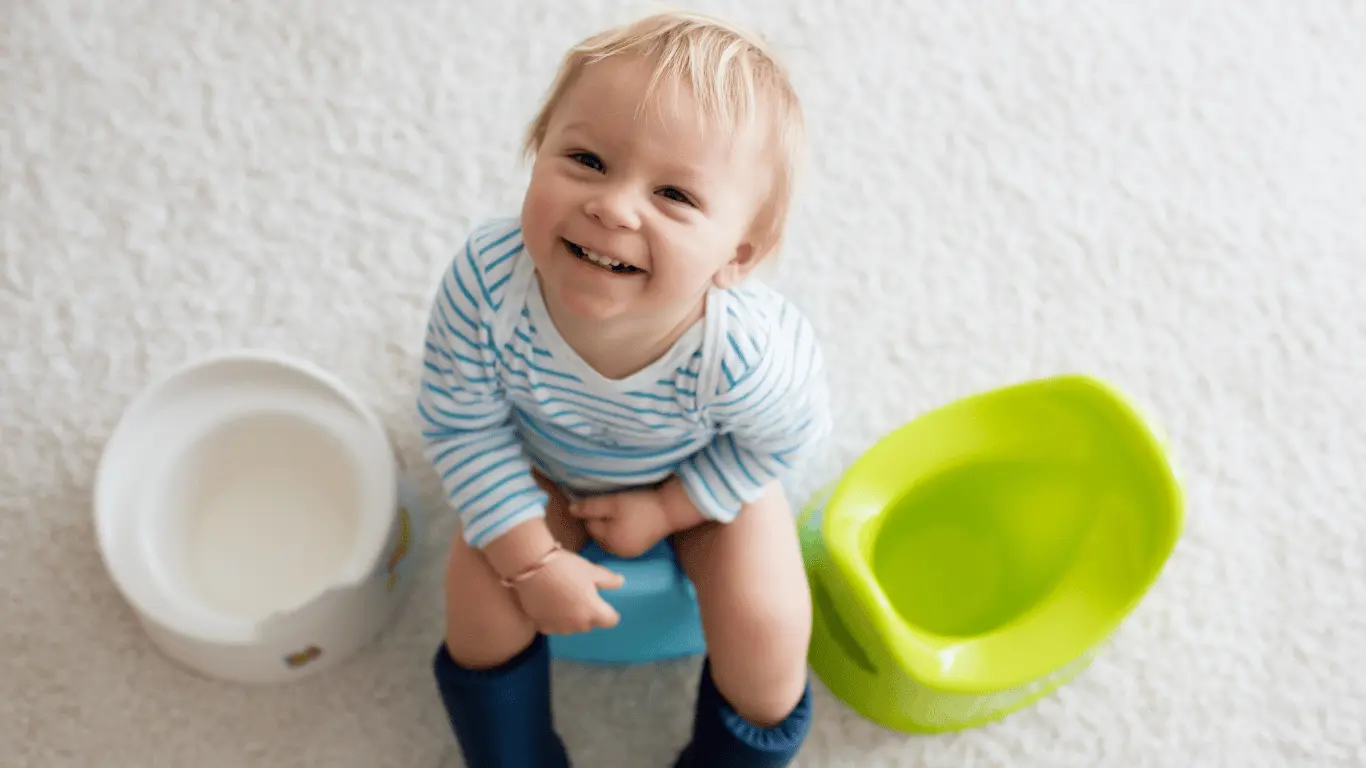
Instead of constantly asking if she needed to go, we focused on predictable routines. Sitting on the potty after meals or before bed, without pressure to produce results, became part of the day.
What helped:
Even if nothing happened, sitting calmly allowed her to familiarise herself with the potty, reducing stress and building confidence. Forcing or rushing the process only made things worse.
Tip: Try setting a small timer of 5–10 minutes after meals for potty time. This creates predictability without pressure, and toddlers often respond better when they know what to expect.
Do Support Digestion With Food and Drinks / Don’t Ignore Discomfort
Hard stools make going painful and increase withholding.
What helped:
We introduced more fibre-rich foods like pears, prunes, vegetables, and wholegrains, and made sure she had regular drinks. Small changes over time helped soften stools, making pooing less scary and rebuilding her confidence.
Example: Smoothies with pear and spinach became a hit, and even a small cup of water after breakfast helped her stay hydrated. These small steps made noticeable improvements without feeling like a big dietary overhaul.
4.
Do Use Positive Encouragement / Don’t Apply Pressure or Bribes
Praise effort, not outcomes. Sitting on the potty, talking about poo, or even trying once deserved encouragement.
What helped:
We avoided tying rewards directly to actually pooing, which can increase pressure. Verbal praise, high-fives, or reading a special potty-time book created a positive, calm association.
Example: One sticker on her chart for sitting quietly, even without going, became a huge confidence booster. She loved the routine, and it showed her that effort mattered more than results.
5. Do Ask for Professional Support When Needed / Don’t Wait Too Long
After a few days of no poo and a very upset toddler, we sought advice from our GP and health visitor. They explained the fear cycle, offered reassurance, and suggested gentle stool softeners.
What helped:
Getting guidance early prevented unnecessary stress. Professional advice is not a failure—it can give you the tools to safely support your child and break the cycle of withholding.
Tip: Bring a list of observations (days without poo, diet, behaviour) to your appointment. This helps the GP or health visitor give tailored advice quickly and confidently.
Our Final Thoughts
Helping a toddler through poo withholding is exhausting, but it is also very common. Most children outgrow this phase with patience, reassurance, and a calm routine.
The key is to stay calm, build predictable routines, support digestion with small dietary changes, and seek help when needed. Every small success counts, and with consistent encouragement, your toddler will regain confidence with the potty.
Remember, withholding is usually about fear or discomfort, not stubbornness. With the right approach, both you and your child can feel calm and confident again.