
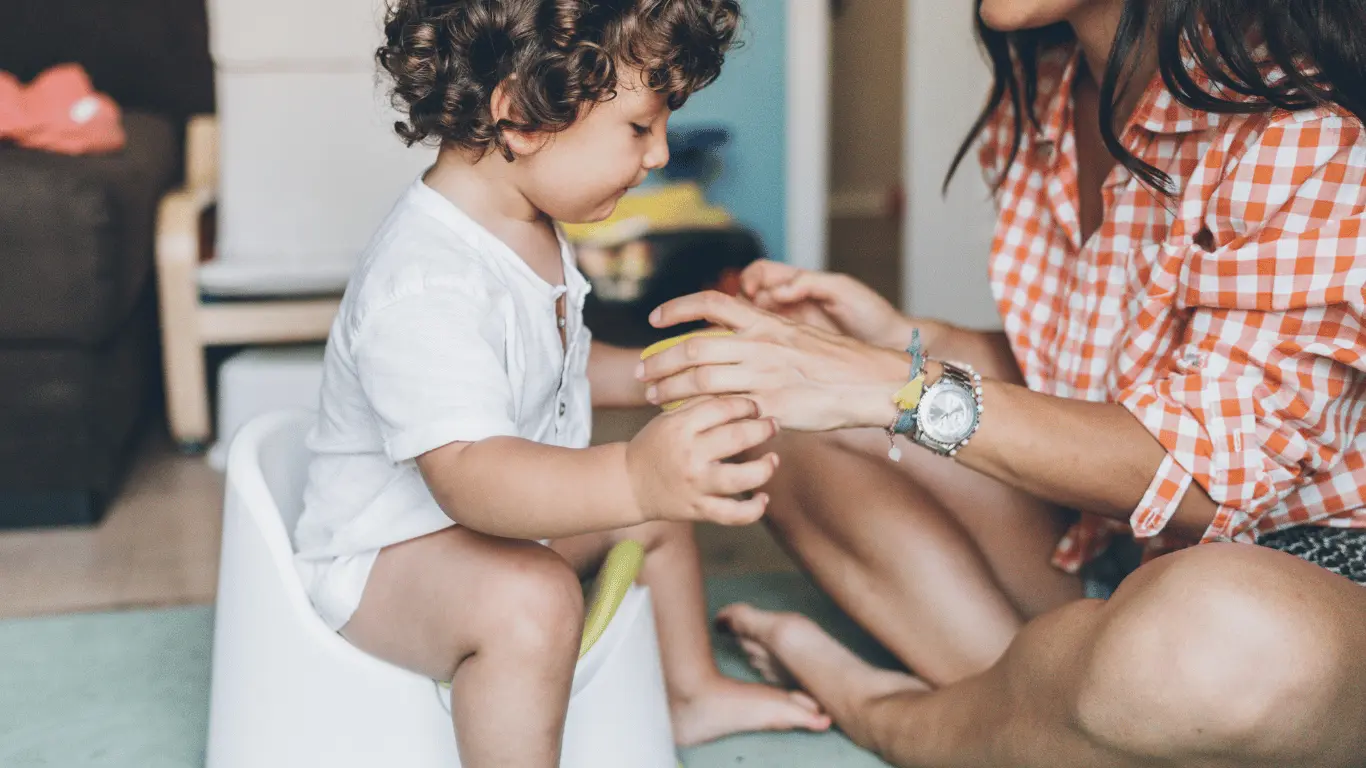
Some days everything clicks. Other days you’re cleaning up accidents and wondering if you started too soon.
Potty training a toddler can feel like one of those milestones everyone talks about, but few truly prepare you for. We’ve potty trained two children, and I can honestly say no two experiences were the same. What worked beautifully for one barely worked at all for the other.
If you’re feeling unsure, overwhelmed, or stuck somewhere in the middle, you’re not doing anything wrong. This guide brings together everything we wish we’d known before we started — readiness signs, what actually helps in the early days, the setup that makes life easier, how to handle setbacks and night-time, and where to turn when things get genuinely tricky, like a toddler withholding poo.
What you’ll find in this post
- How to tell if your toddler is genuinely ready to start
- Why a calm, unhurried start beats a fast one
- The equipment and setup that actually makes a difference
- How to handle accidents, regression, and night-time training
- What to do when potty training gets genuinely difficult
First: there’s no single “right” way to do this
Potty training advice online can feel contradictory — three-day methods promising fast results next to gentler guides urging you to wait for readiness. The truth is that both can work; what matters is matching the approach to your own child, not the calendar.
If you’re dealing with something more specific — regression after early success, night-time wetting, or a toddler who’s started withholding poo — this guide links out to a dedicated post on each, so you’re never stuck with only generic advice.
Readiness matters more than age
Slow and calm beats fast and forced
Setbacks are normal, not failure
Night-time is a separate, later skill
The 5 things to know
Everything we wish we’d known
The full picture — from first signs of readiness through to night-time dryness.
1
point one
Potty training works best when your toddler is truly ready
Readiness matters far more than age. Comparing your child to others rarely helps — we learned that watching for genuine signs of readiness made potty training calmer and far more successful than picking a start date off a calendar.
Most toddlers show readiness signs somewhere between 18 and 36 months, but that range is wide for a reason: physical bladder control, the ability to communicate needs, and emotional readiness to try something new don’t always arrive together. There’s no failure in waiting a little longer.
Signs of readiness to look for
- Staying dry for longer periods during the day
- Showing curiosity about the toilet or watching you use it
- Letting you know before or after they’ve had a wee or poo
- Disliking a wet or dirty nappy
- Being able to follow simple instructions and sit still briefly
2
point two
A calm start matters more than fast results
Expecting quick results early on was one of our biggest mistakes. Potty training cannot be rushed, and pushing too hard almost always leads to resistance rather than progress.
You’ll come across two broad approaches: child-led training, which follows your toddler’s own readiness and pace over several weeks, and structured methods like the “3-day potty training” approach, which clear the diary for an intensive weekend. Neither is objectively better — a structured method can suit a confident, ready toddler, while a child-led approach tends to work better for more cautious or anxious children.
What helped us in the first week
- Talking about the potty casually, days before actually using it
- Letting our toddler sit fully clothed at first, with zero pressure to perform
- Avoiding language that made it feel like a test with a pass or fail
3
point three
The right setup can make potty training easier
Having the right equipment and environment can make a genuine difference to how confident your toddler feels. It doesn’t need to be expensive or elaborate — just secure, familiar, and a little bit exciting for them.
What we used, and found genuinely useful
- A potty or toilet seat that felt secure and the right size
- A sturdy step stool, so they could get up and manage independently
- Potty training books and a consistent routine, to normalise the process
- Training pants for transition periods, especially when out and about
- A portable potty for car journeys and days out — this made trips far less stressful for us
4
point four
Accidents, setbacks, and night-time training are all normal
Accidents are part of learning, and setbacks can happen even after weeks of solid progress. Big changes like starting nursery, moving house, or welcoming a new sibling can all trigger temporary regression — it doesn’t undo what your toddler has already learned.
Night-time potty training is a genuinely separate skill from daytime training, and it usually comes later. It depends far more on physical development — whether your child’s body produces enough of the hormone that helps them hold urine overnight — than on effort, encouragement, or technique.
If you’re dealing with a specific setback
- Sudden accidents after weeks of progress — read our 5 reasons potty training regression happens
- Struggling specifically with nights — read our complete guide to night-time potty training
- Keep routines familiar and predictable during any period of change — that consistency does more than any new technique
5
point five
Some potty training challenges need extra patience
Certain challenges — like a toddler withholding poo, or genuine anxiety around the potty — need calmer, more deliberate handling than the everyday ups and downs of training. These aren’t signs you’re doing something wrong; they’re just a harder stretch of the same process.
If your toddler is withholding poo
This is one of the trickiest potty training challenges, and it’s usually driven by fear or discomfort rather than defiance. We wrote a detailed, honest account of the mistakes we made and what actually helped:
- 5 potty training mistakes we made when our toddler withheld poo — what we’d do differently, including diet changes and when we finally asked for help
Potty training is a big milestone, but it’s not a race.
Every child learns at their own pace, and comparing your journey to someone else’s rarely helps. What helped us most was staying patient, lowering our expectations, and celebrating small wins — a dry nappy, a calm sit, even just talking about the potty without a fuss.
If you’re feeling unsure, exhausted, or stuck, you are not alone. Trust your instincts, take breaks when you need to, and remember that with time, support, and encouragement, your toddler will get there.
Frequently asked questions about potty training
Written by a mum & primary school teacher
Having potty trained two very different children of my own, I write about the practical, honest side of early childhood, because parents deserve real information, not just reassurance.
Dealing with something more specific?
Explore the rest of our potty training guides for regression, night-time training, and withholding poo.