
Potty training a toddler can feel like one of those milestones everyone talks about, but few truly prepare you for. Some days everything clicks, and other days you’re cleaning up accidents and wondering if you started too soon.
We’ve potty trained two children, and I can honestly say no two experiences were the same. What worked beautifully for one barely worked at all for the other. If you’re feeling unsure, overwhelmed, or stuck somewhere in the middle, you’re not doing anything wrong.
Here are five things every parent should know about potty training, based on real-life experience, not perfection.
Potty Training Works Best When Your Toddler Is Truly Ready
Readiness matters far more than age. Comparing your child to others rarely helps. We learned that watching for signs of readiness made potty training calmer and more successful.
Signs we looked for included:
🚽 Staying dry for longer periods during the day
🚽 Showing curiosity about the toilet or watching us use it
🚽 Letting us know before or after they needed a wee or poo
🚽 Disliking a wet or dirty nappy
🚽 Being able to follow simple instructions and sit still briefly
If your toddler isn’t showing these signs yet, that’s completely fine. Starting too early can create stress or even fear around the potty. Waiting until your child feels ready makes the whole process feel calmer for everyone.
2.
A Calm Start Matters More Than Fast Results
Expecting quick results early on was one of our biggest mistakes. Potty training cannot be rushed, and pushing too hard often leads to resistance.
What helped:
🚽 Talking about the potty casually
🚽 Letting our toddler sit fully clothed at first
🚽 Avoiding making it feel like a test
Sometimes progress looks like sitting calmly, showing curiosity, or simply talking about the toilet. Celebrating these small steps builds confidence, which is the real key to success.
The Right Setup Can Make Potty Training Easier
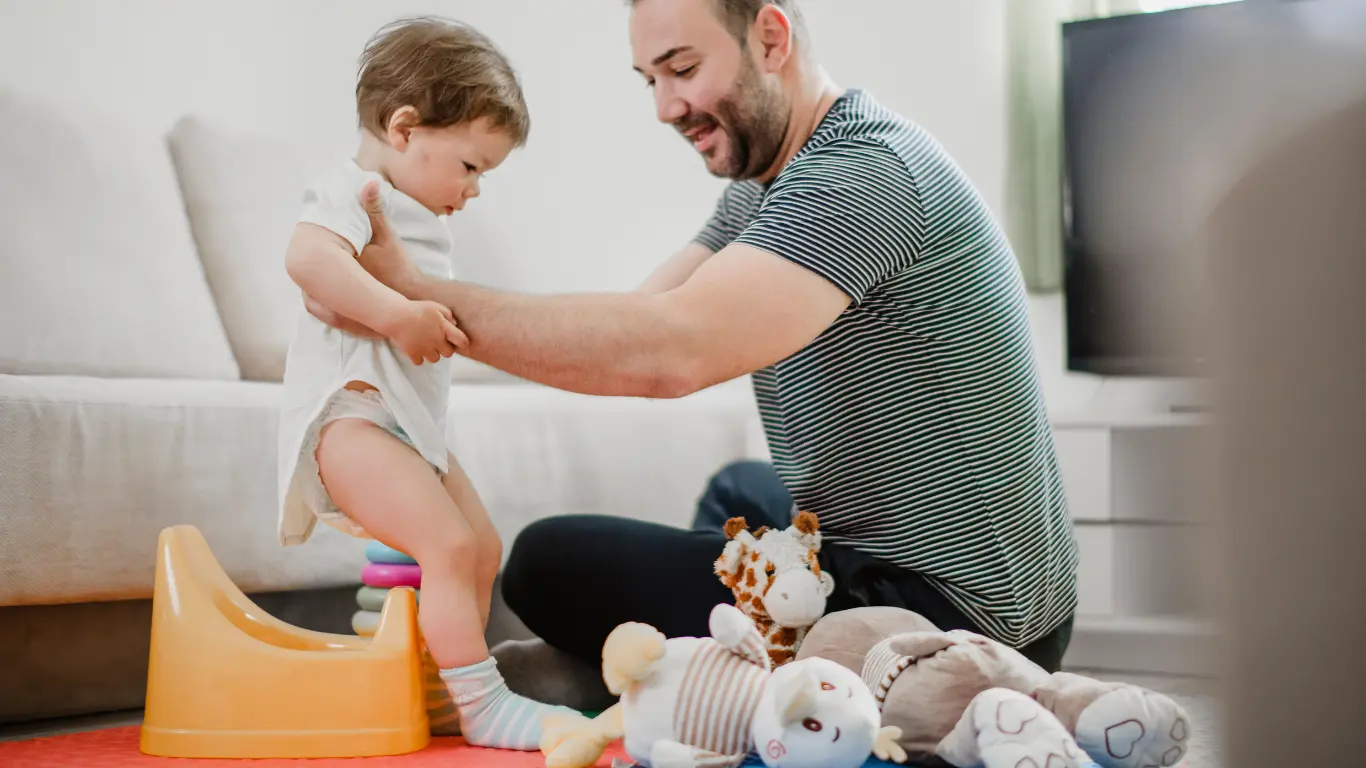
Having the right equipment and environment can make a huge difference.
Helpful items we used:
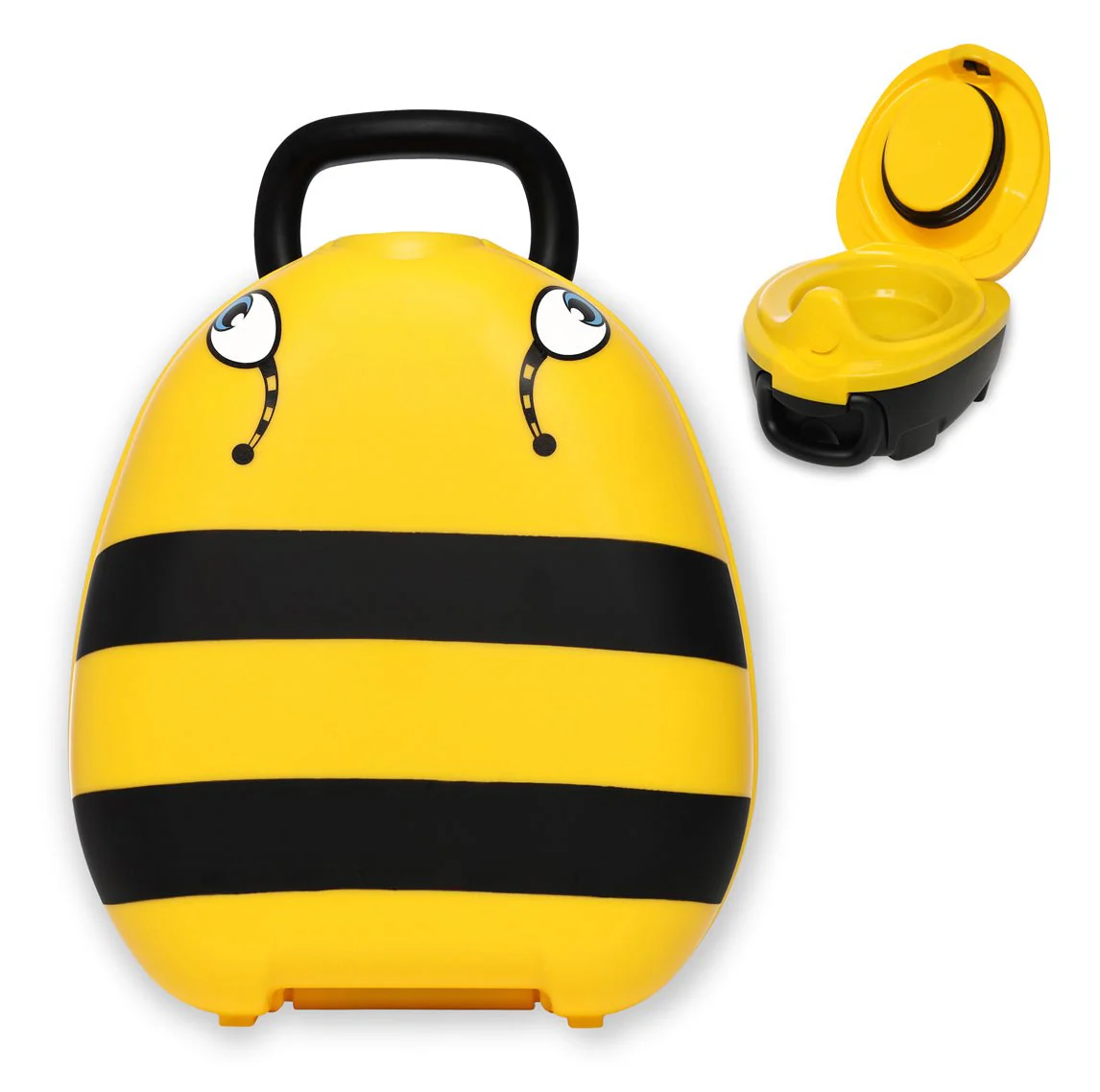
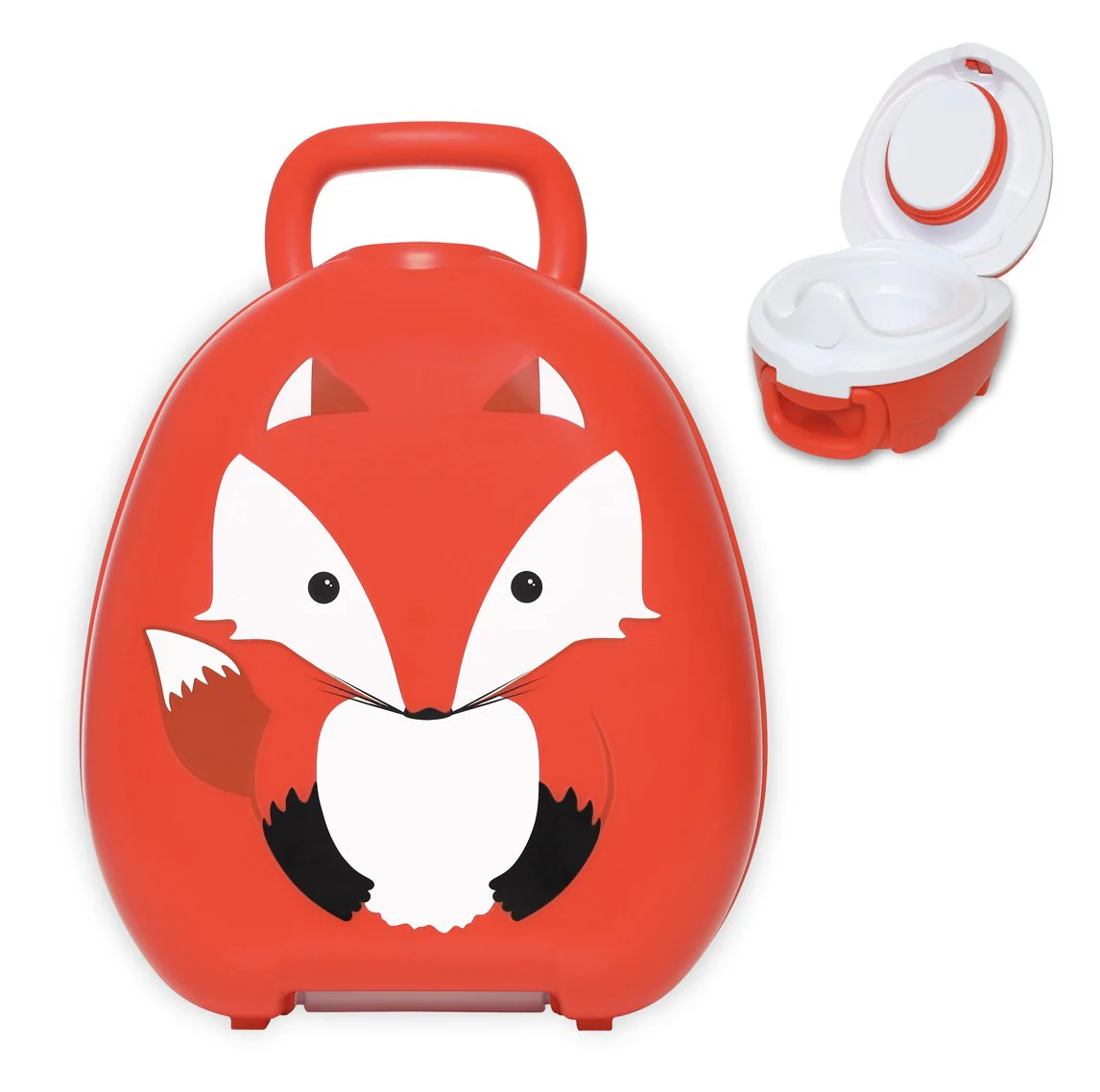
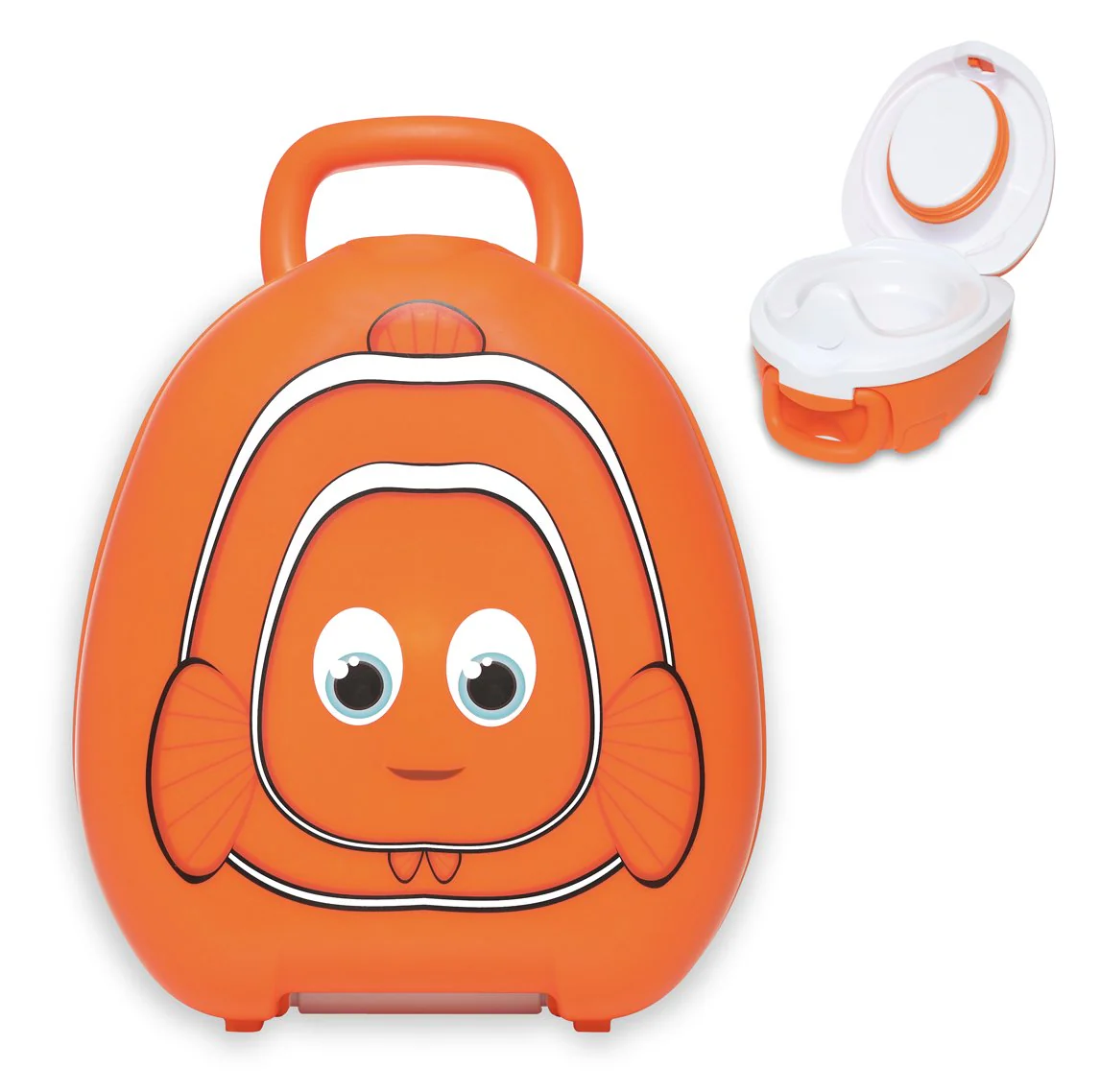
🚽 A potty or toilet seat that felt secure
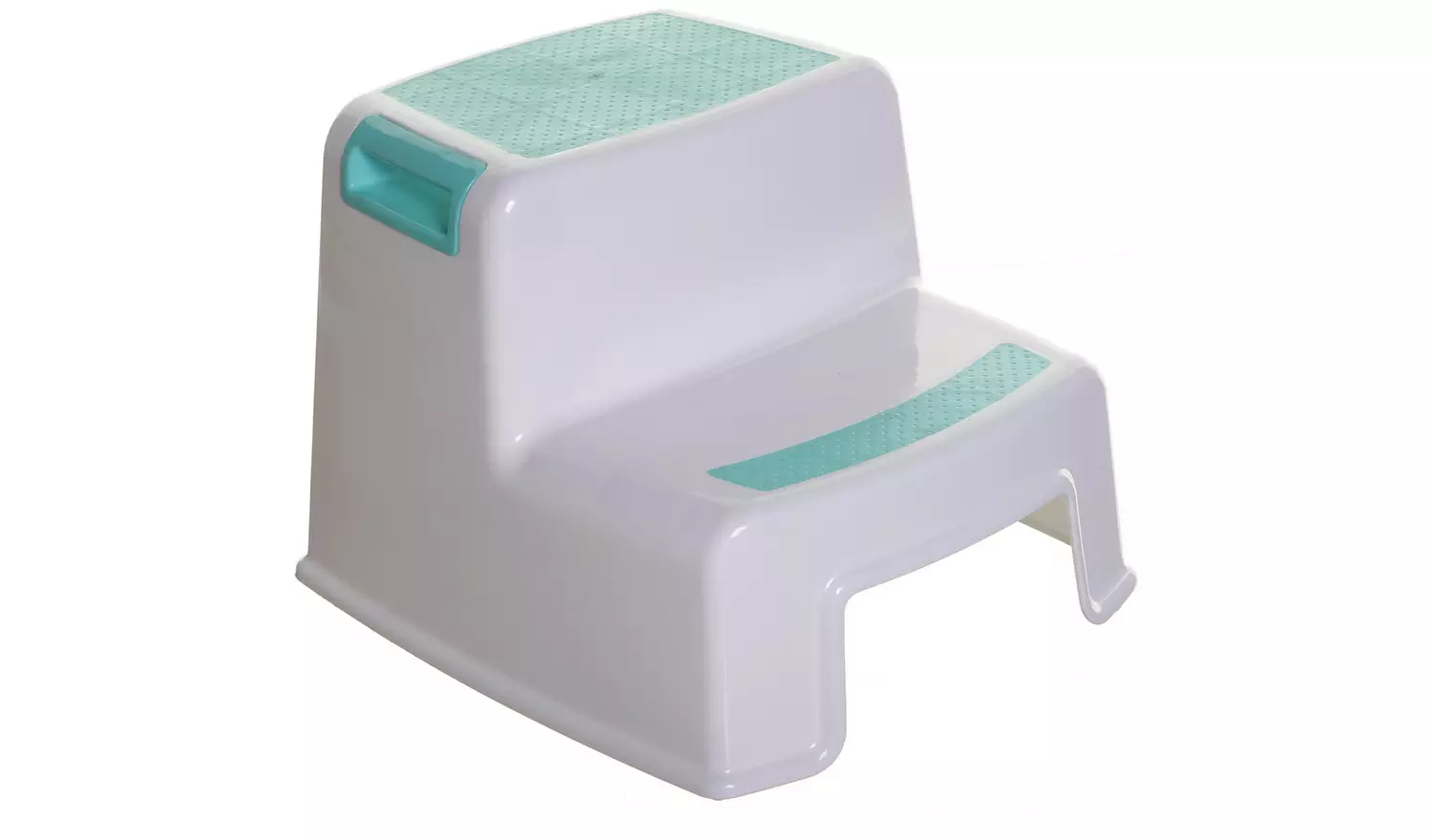
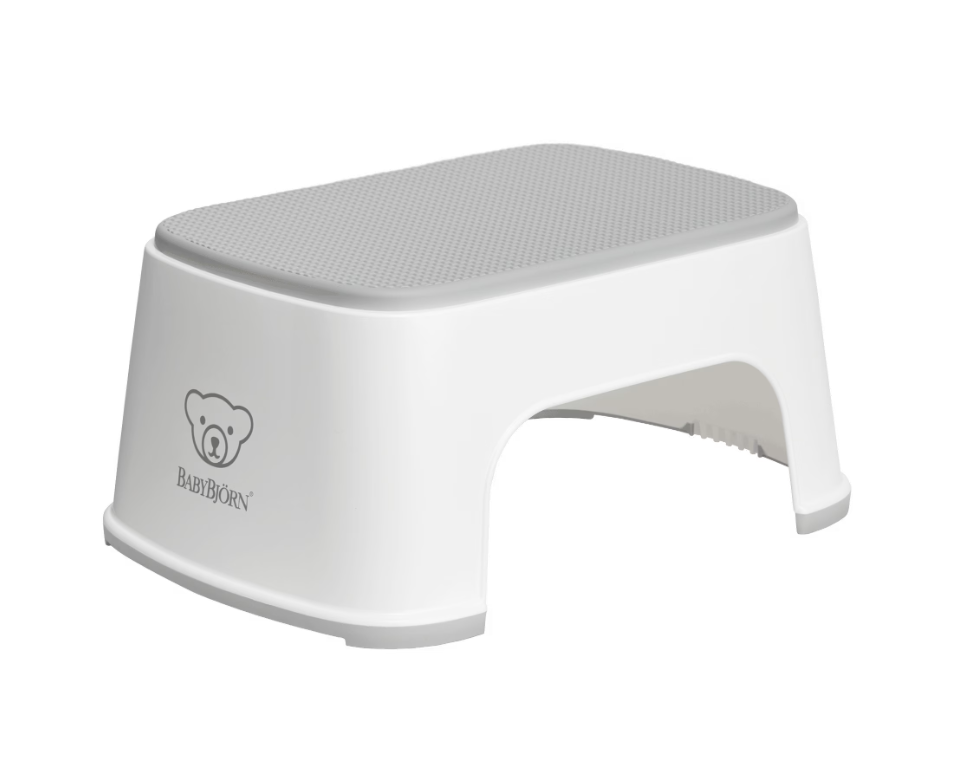
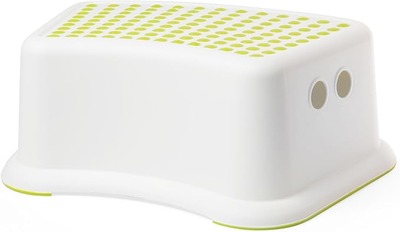
🚽 A sturdy step stool for independence
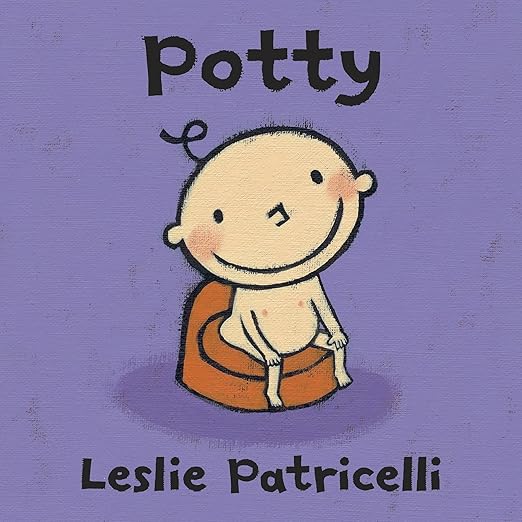
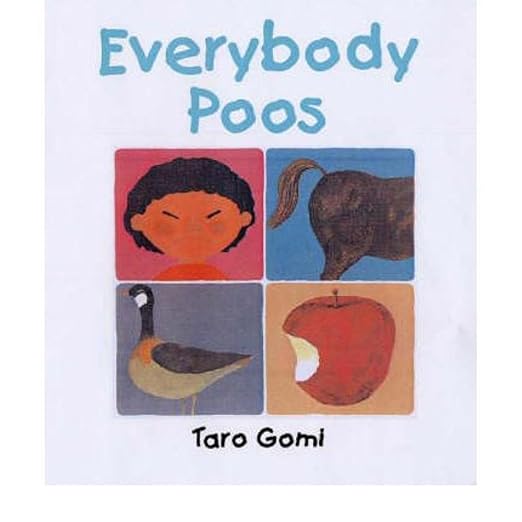
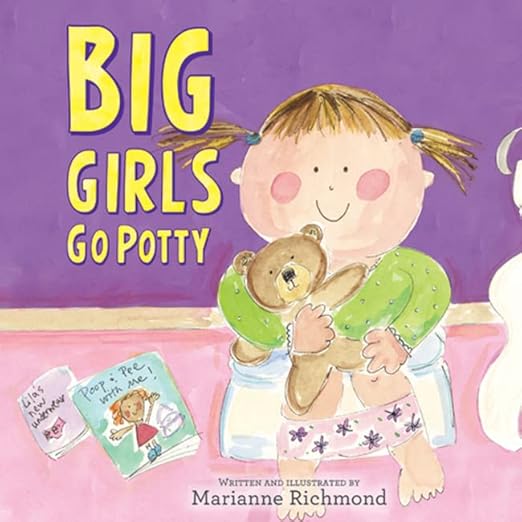
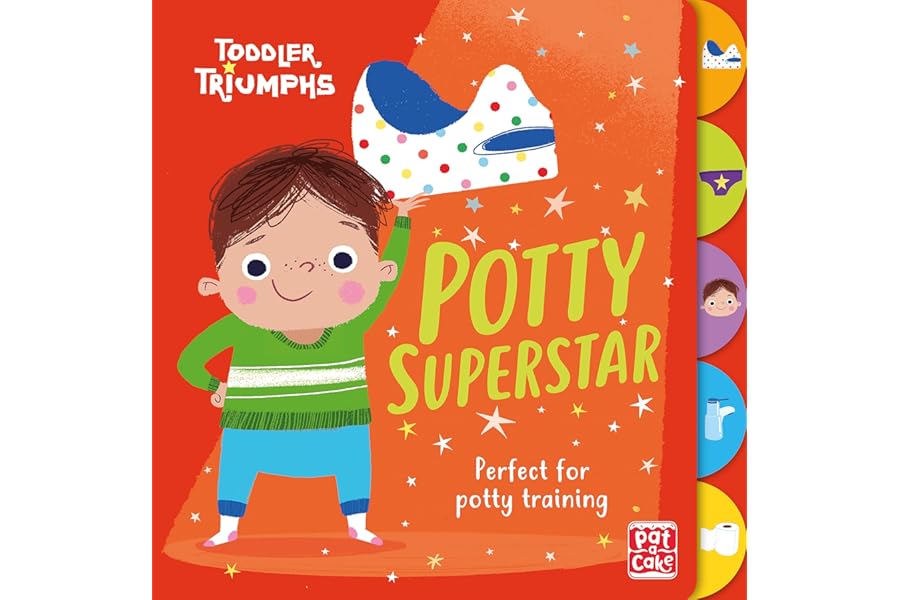
🚽 Potty training books and routines to normalise the process
🚽 Training pants for transition periods, especially when out and about
Even little things like a favourite potty book or letting your toddler choose their potty seat made the process feel more positive and safe.
4.
Accidents, Setbacks, and Night-Time Training Are All Normal
Yes, it absolutely is.
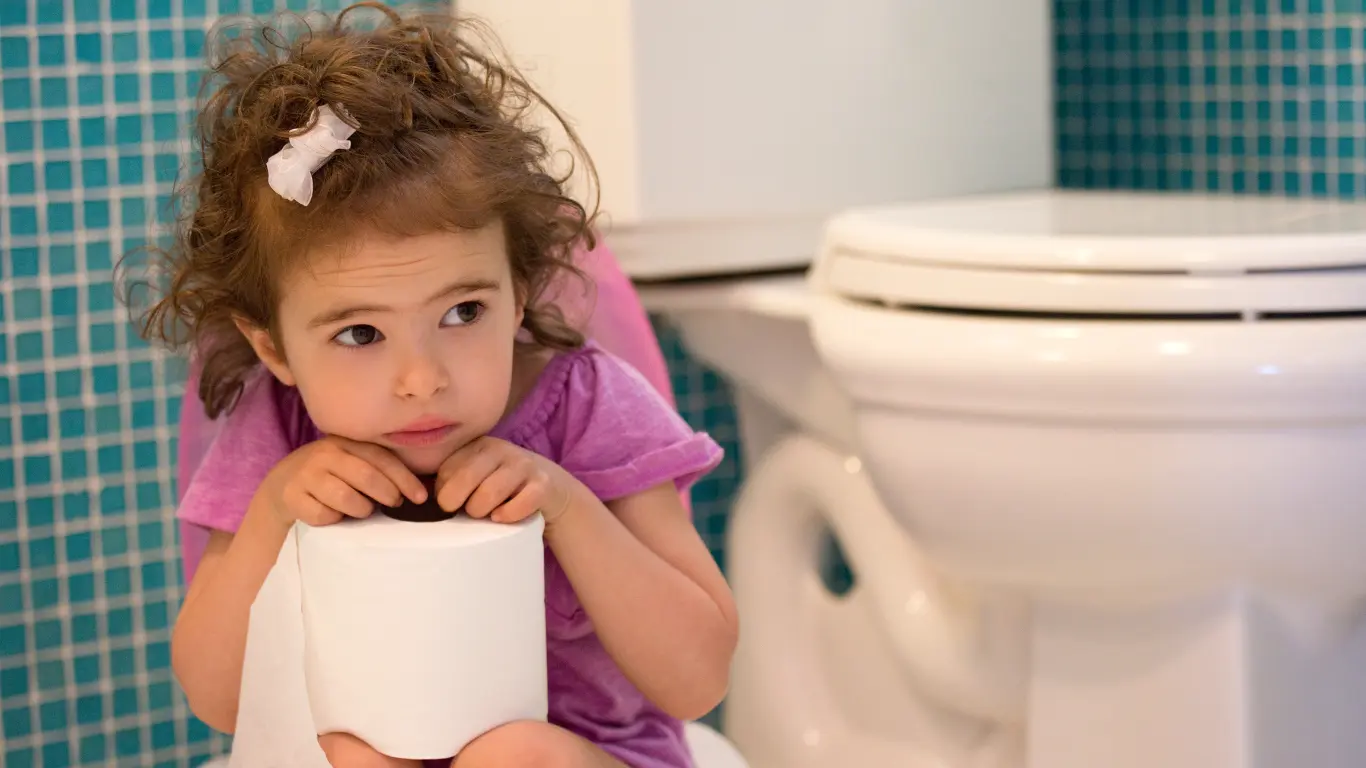
Accidents are part of learning, and setbacks can happen even after weeks of progress. Big changes like starting nursery, moving house, or welcoming a new sibling can trigger temporary regression.
Night-time potty training is a separate skill:
🚽 It usually comes later than daytime success
🚽 Depends on physical development rather than effort
🚽 Waiting until your child is consistently dry during the day reduces stress
We used waterproof mattress protectors, celebrated dry mornings, and kept nights positive even when setbacks occurred.
5. Some Potty Training Challenges Need Extra Patience
Certain challenges, like withholding poo or anxiety around the potty, require calm and gentle handling.
What helped:
🚽 Avoiding pressure or forcing the issue
🚽 Making the potty feel safe and familiar
🚽 Being consistent and supportive
If your toddler is withholding poo, check out our cluster posts:
5 Potty Training Mistakes We Made When Our Toddler Withheld Poo
5 Do’s and Don’ts When Your Toddler Is Withholding Poo
These guides provide step-by-step tips for handling common challenges and easing anxiety around potty training.
Our Final Thoughts
Potty training is a big milestone, but it’s not a race. Every child learns at their own pace, and comparing your journey to someone else’s rarely helps.
What helped us most was:
🚽 Staying patient
🚽 Lowering expectations
🚽 Celebrating small wins (dry nappies, calm sits, or talking about the potty)
If you are feeling unsure, exhausted, or stuck, you are not alone. Trust your instincts, take breaks when needed, and remember that with time, support, and encouragement, your toddler will get there.
Potty Training Made Easy
Potty training is an important milestone, and having the right tools can make a big difference. Here we’ve highlighted helpful product options designed to support children and parents through every step of the journey.