

Potty training is such a big milestone, but when your toddler starts withholding poo, it can feel overwhelming. We thought we had it all sussed, and then our daughter suddenly became anxious about going to the loo. She cried, hid, and refused to use the potty, and it was heartbreaking to watch.
Looking back, there are a few things we wish we had done differently. Here are five mistakes we made and what helped us as parents navigating this tricky phase.
Starting Potty Training Before She Felt Ready
We thought we were following the signs: she stayed dry longer, talked about the potty, and showed curiosity. We assumed that meant she was fully ready and removed nappies for poo too soon.
What helped:
Readiness is as much emotional as physical. Keeping nappies or training pants for poo while still encouraging wees gave her confidence without pressure. Toddlers often need time to feel secure before fully committing.
Example: One day, she refused to sit at all. We let her wear a nappy for poo while still practising wees on the potty. Within a week, she started feeling confident enough to try both again.
For a full step-by-step approach, read our: Potty Training Your Toddler: 5 Things Every Parent Needs to Know
2.
Underestimating How Scared She Was
At first, we thought she was being stubborn. In reality, one painful bowel movement had made her fearful. The more she held it in, the more uncomfortable she became, which reinforced the cycle of anxiety.
What helped:
Talking openly about poo, using gentle language, and reading storybooks together helped her feel that it was normal. Patience and reassurance went a long way.
Example: Reading a book about a toddler who learns to use the potty after being scared helped her feel less alone and more willing to try.

Focusing on the Potty Instead of the Routine
We kept asking, “Do you need to go?” The answer was always no, and potty time quickly became tense. Encouragement turned into pressure.
What helped:
Shifting our focus to a calm, predictable routine made a big difference. Sitting on the potty after meals or before bed, without expecting results, helped her regain trust and control.
Tip: Keep sessions short, around 5–10 minutes, and make them part of a daily rhythm. Toddlers respond well to predictable routines.
4.
Not Adjusting Her Diet Early Enough
We assumed her diet was fine, but stools were hard and uncomfortable, which made withholding worse.
What helped:
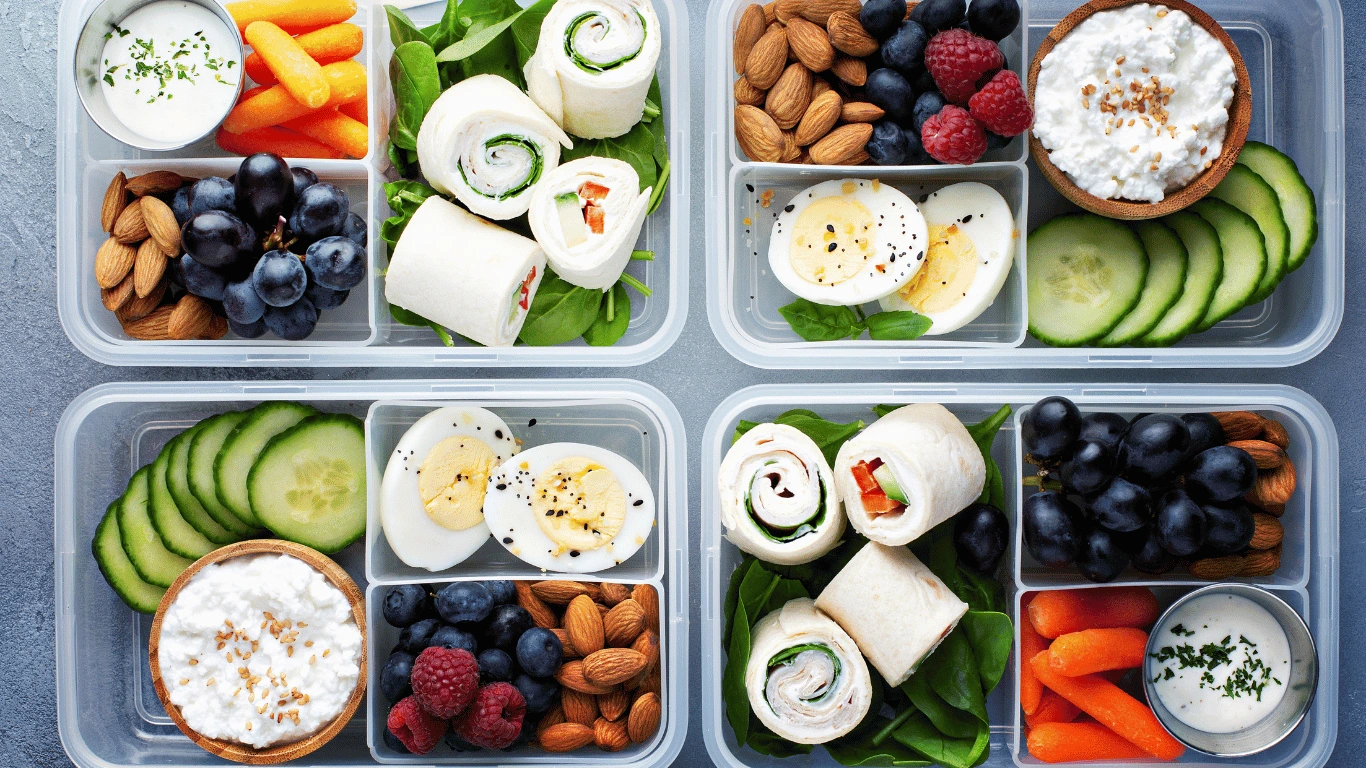
Gradually increasing fibre-rich foods such as pears, prunes, vegetables, and wholegrains, and ensuring regular drinks helped soften stools. This eased discomfort and slowly restored confidence with the potty.
Example: Adding a small prunes and yoghurt snack each afternoon made a noticeable difference. Even tiny adjustments can reduce pain and fear.
5. Waiting Too Long to Ask for Help
We hoped it would resolve on its own, but after several stressful days, we reached out to our GP and health visitor. They reassured us and gave practical strategies, including gentle stool softeners.
What helped:
Professional guidance is not a failure. Asking for help early can prevent anxiety from building and break the cycle of withholding.
Tip: Keep a simple log of days without poo, diet, and potty attempts to share with your GP or health visitor. This makes guidance easier and more targeted.
Our Final Thoughts
Potty training a toddler who is withholding poo can be exhausting and emotionally challenging, but it is incredibly common and usually temporary. Most toddlers go through a phase of regression or anxiety around using the potty, and this does not reflect on your parenting.
The key is patience, reassurance, and small supportive steps. Building a predictable routine, addressing discomfort with diet and hydration, and seeking professional guidance when needed can help your child regain confidence with the potty.
Remember, you are not alone in this. Every accident, every setback, and every small success is part of the journey. With consistency, calm, and encouragement, your toddler will get back on track, and you will feel more confident supporting them along the way.