

Starting school is a huge milestone, for children and parents alike. Whether your little one is about to begin Reception or move into a new school setting, it is completely normal to feel a mixture of excitement, nerves and emotion.
There is so much to think about when preparing your child for starting school, and in the rush it is easy to overlook the small things that actually make the biggest difference. As a mum who has been through this more than once and a teacher who has supported many children through their first days at school, I know that preparation is not about getting everything perfect. It is about helping your child feel confident, secure and ready for this next step.
If you are wondering how to prepare your child for starting school, these five simple but practical tips can help make the transition smoother for everyone.
Name Everything Before School Starts
If it moves, label it. Jumpers, shoes, water bottles, lunch boxes, PE kits and even socks have a habit of going missing at school. Our eldest once came home with only one shoe, more than once, so trust me when I say that labelling everything is worth the effort.
Labelling may seem like a small task, but it makes a big difference in the early weeks.
Why labelling matters when starting school
🎒 Lost items can be returned quickly by teachers
🎒 Mornings are less stressful without missing uniform
🎒 Children learn to recognise their name and take responsibility for their belongings
Sticker labels work well for shoes, lunch boxes and bottles, while iron on or sew in labels are ideal for uniform and jumpers. Stamp kits can be helpful if you have a lot to label quickly.
A helpful extra tip is to label the inside of coats and jackets, as well as hats, gloves and scarves. Getting your child involved by helping them recognise their own name builds confidence and independence.




2.
Let Your Child Practise Wearing Their School Uniform
Trying on the school uniform before the first day helps turn something new into something familiar. It also gives you time to spot any issues before the morning rush begins.
Practising in advance helps you check that everything fits comfortably and gives your child the chance to practise dressing themselves independently. Buttons, zips, tights and jumpers are much easier to master in a calm environment at home.
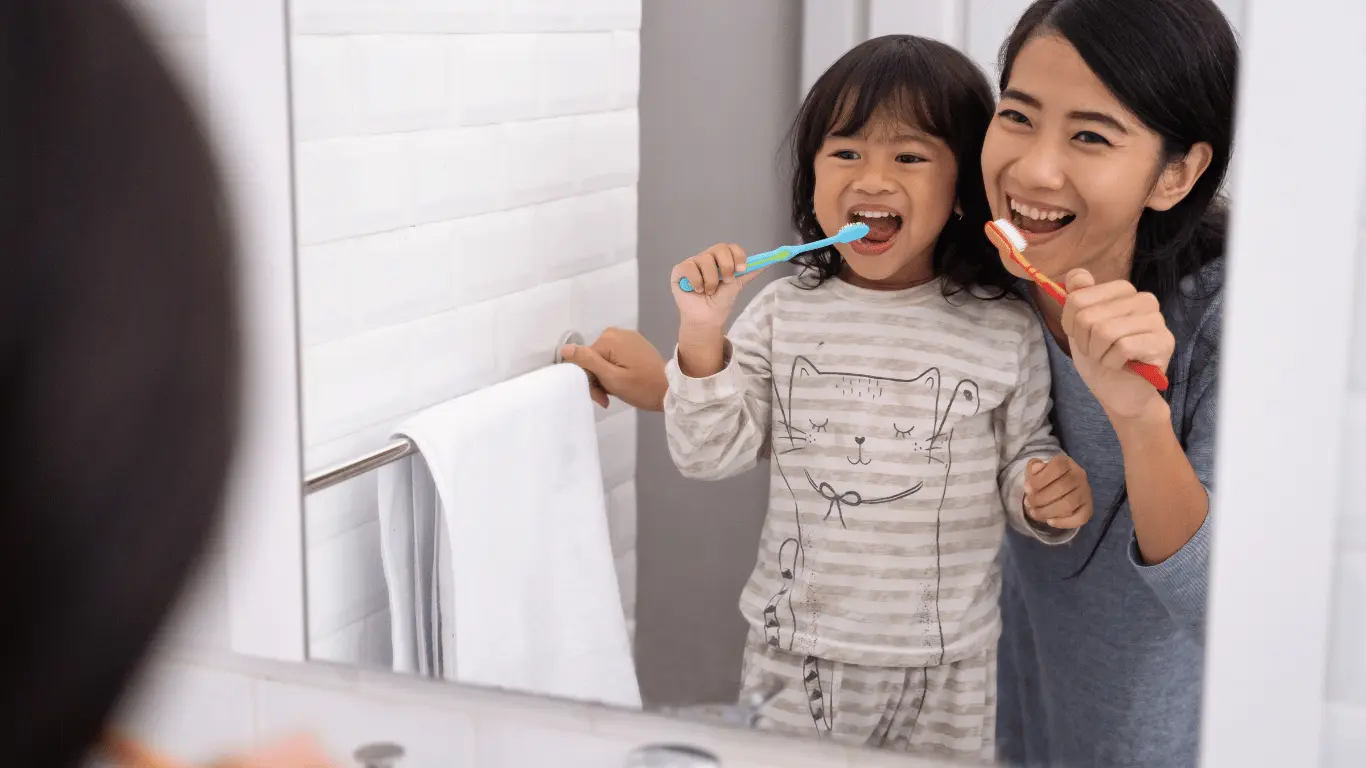
Encourage your child to lay out their uniform and use a mirror to check themselves. These small routines help build independence and make school mornings feel less stressful once term starts.
Decide on Lunches Early and Practise at Home
Another key part of preparing your child for school is deciding whether they will have school dinners, packed lunches or a mix of both. Making this decision early helps avoid last minute stress.
If your child is having school dinners, look at the menu together and talk through the options. Find out how the booking system works and encourage your child to practise making simple choices.
If you are sending a packed lunch, choose a lunch box your child can open independently and practise using it at home. Everything should be clearly labelled, including small containers.
Batch cooking items like mini quiches, sausage rolls or veggie bites and freezing them can save time during busy weeks and keep lunches varied and familiar.
4.
Break In School Shoes Before the First Day
New school shoes often need time to soften. Letting your child wear them around the house or on short outings before term starts can prevent sore feet and blisters.
This is also a great opportunity to practise putting shoes on the correct feet and encouraging independence with Velcro, buckles or laces. Turning it into a game can help younger children feel more confident.
Make sure socks fit well and do not bunch up, as this can make even good shoes uncomfortable. Well fitting shoes help children move confidently and comfortably throughout the school day.
5. Talk Through What School Will Be Like
One of the most important things you can do is help your child know what to expect. Children feel more secure when things feel familiar.
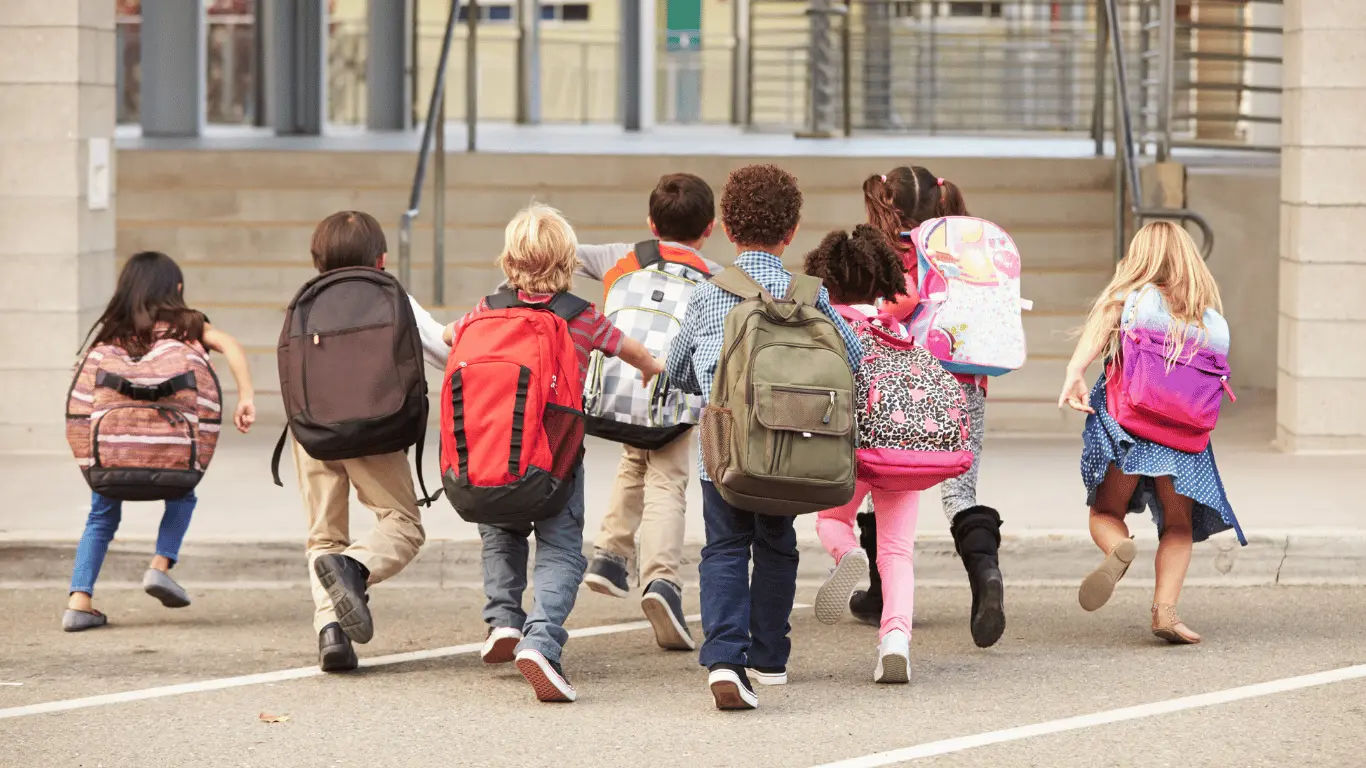
Practise the route to school together and talk through drop off and pick up routines so your child knows who will be there and when. Explain what a typical day might look like, including lessons, lunch and playtime.
Encourage questions and talk openly about feelings. Some children are excited, some are nervous, and many feel both. All of this is completely normal.
Walking past the school, looking at photos online or in the prospectus, and talking about what your child is looking forward to can make a big difference.
Our Final Thoughts
Preparing your child for starting school does not need to feel overwhelming. By focusing on a few practical steps, labelling belongings, practising uniforms, planning lunches, breaking in shoes and talking openly about routines, you are giving your child a strong and reassuring start.
Every child settles in their own time. Some children run in happily from day one, while others need a little longer. Both are completely okay. What matters most is that your child feels supported and understood.
You are doing a great job, even when it does not always feel like it.