
When people think about helping children with maths, books are not always the first thing that comes to mind. Yet in early years settings, stories are one of the most effective and natural ways we introduce early mathematical thinking.
As an early years teacher, I have seen time and time again how children develop a strong foundation for maths through shared reading. Not through formal lessons or worksheets, but through stories that invite curiosity, repetition, and conversation.
Reading helps children build the language, concepts, and confidence they need for maths long before numbers feel abstract or intimidating. Below are five important ways books support early maths learning at home.
Books Introduce Numbers in a Meaningful Way
One of the earliest maths concepts children encounter is counting. Books make this feel purposeful rather than forced.
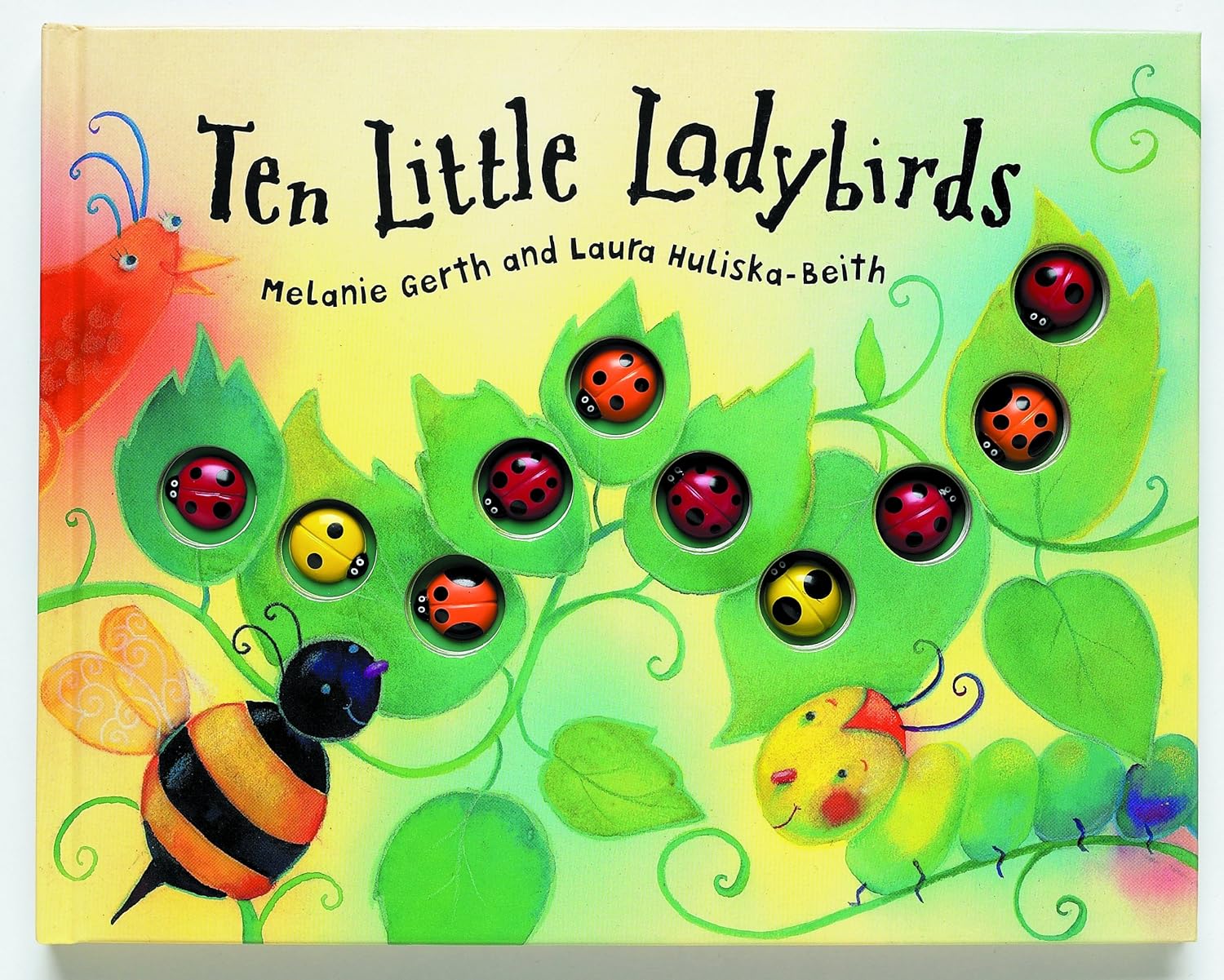
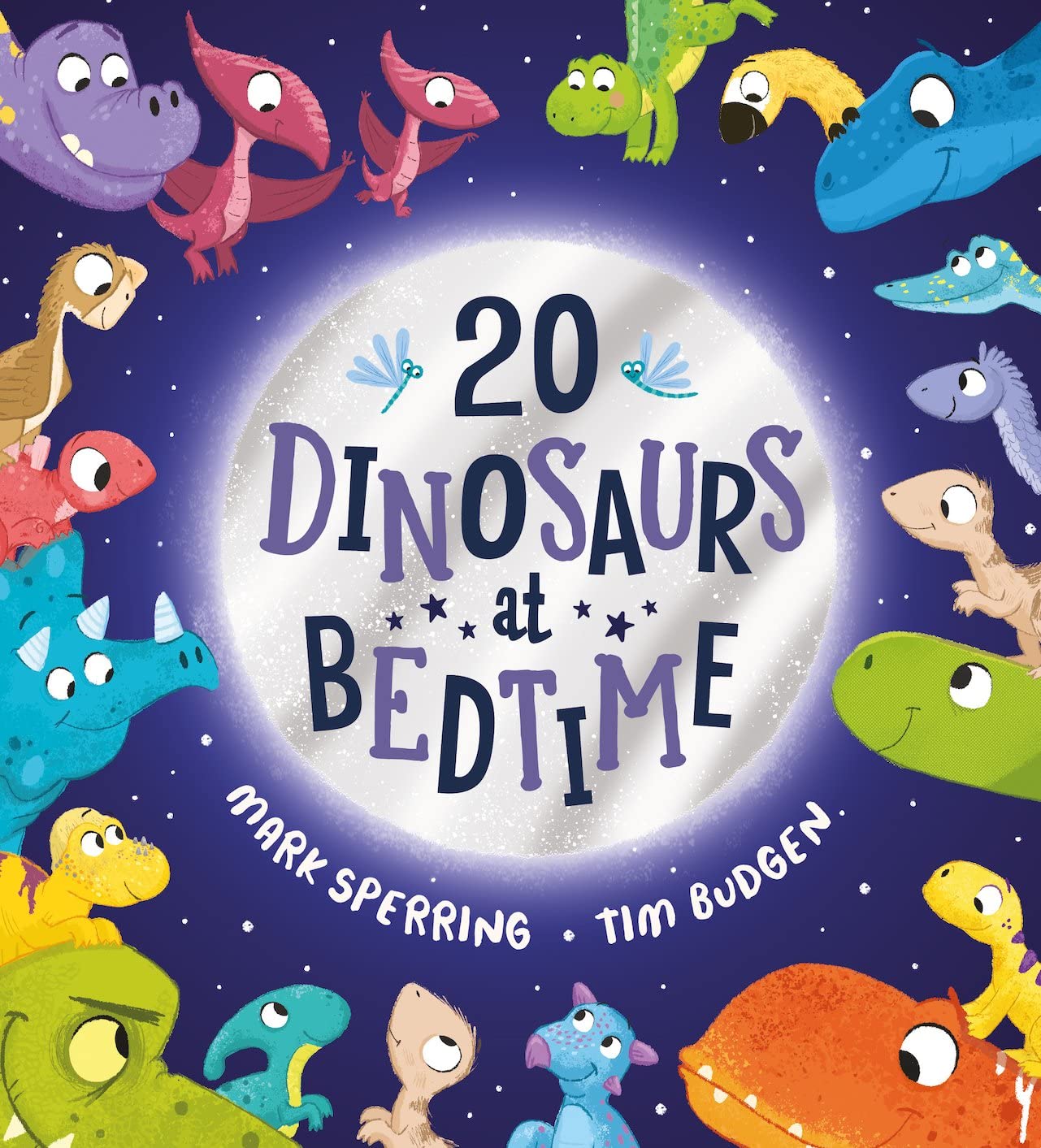
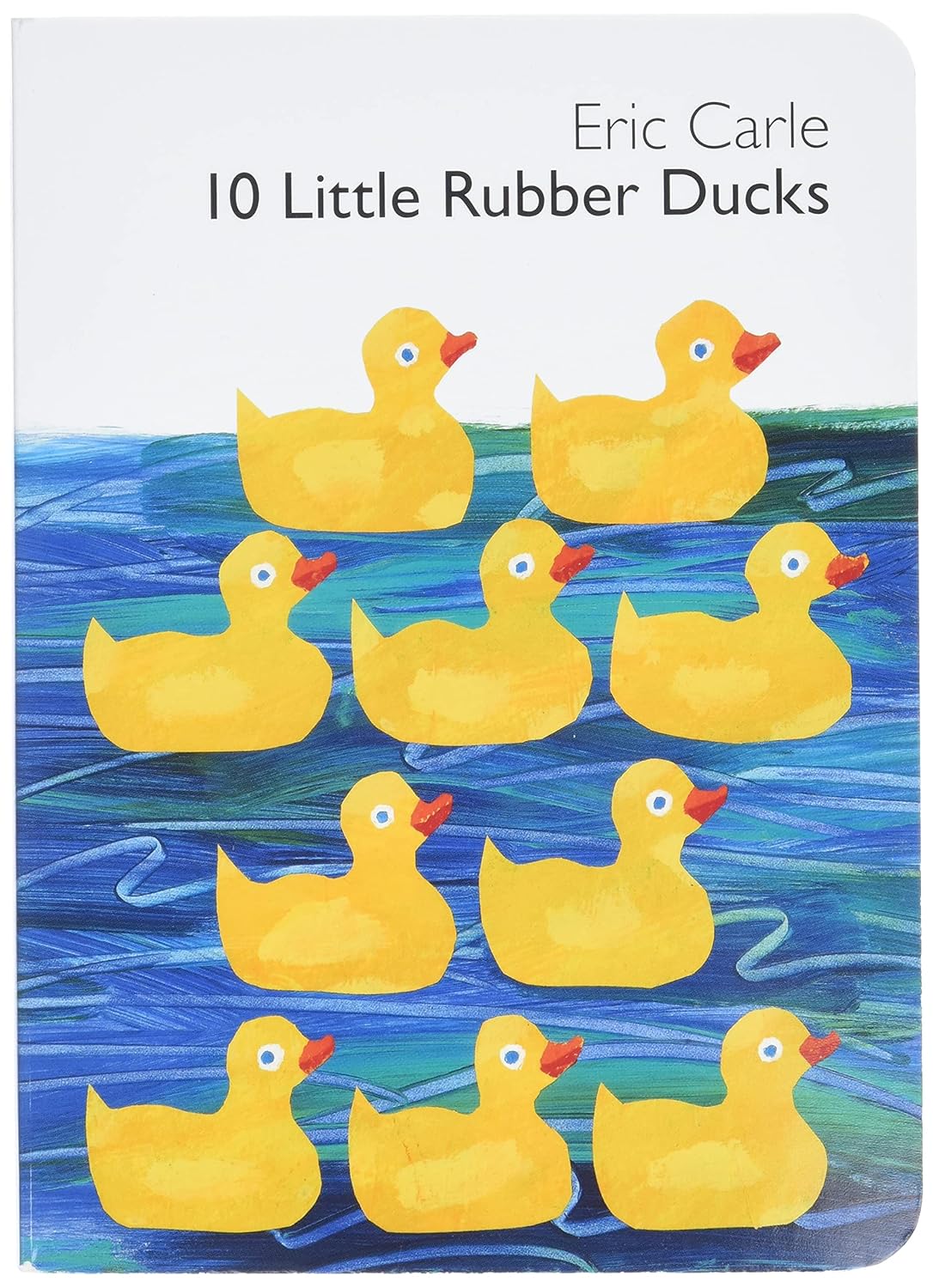
Counting books often link numbers to objects, characters, or actions. Instead of counting in isolation, children count ladybirds, animals, or pirates, helping them understand that numbers represent real things.
Repeated reading plays a big role here. Children may begin by listening, then join in, and eventually anticipate what comes next. This repetition helps numbers become familiar and secure.
2.
Stories Help Children Understand Quantity and Comparison
Early maths is not just about recognising numbers. It is also about understanding ideas such as more, less, same, and different.
Many stories naturally introduce comparison. Characters might have more apples, fewer toys, or the same number of friends. Illustrations often make these ideas visually clear, helping children link language to meaning.
As adults, we can support this learning by commenting rather than questioning. Saying things like I can see there are more ducks on this page invites children to notice and think without pressure.
Books Build Pattern Recognition Through Rhythm and Repetition
Pattern is a key early maths skill, and stories are full of it.
Rhyming books, predictable phrases, and repeated story structures all help children recognise patterns. When a child knows what comes next, they are beginning to understand sequencing and order.
This is why children often ask for the same book again and again. Familiarity supports learning. Each rereading strengthens their understanding and confidence.
In early years classrooms, these predictable books are often used to support both maths and language development at the same time.
4.
Reading Supports Maths Language Development
Maths relies heavily on language. Words such as first, next, last, bigger, smaller, full, and empty all appear regularly in stories.
Through books, children hear these words used in context, making them easier to understand and remember. This is especially important for children who may find abstract concepts challenging later on.
Reading aloud also gives adults a chance to model language naturally. Simple comments like He is the tallest or This one is heavier help children connect words to real meaning.
5. Stories Create a Positive Relationship With Maths
Perhaps one of the most important benefits of reading for early maths is emotional.
When maths is introduced through stories, it feels safe, familiar, and enjoyable. There is no pressure to get the right answer. Children can explore ideas at their own pace, supported by a trusted adult.
This positive early experience matters. Children who feel confident and relaxed around numbers are more likely to engage with maths as they grow.
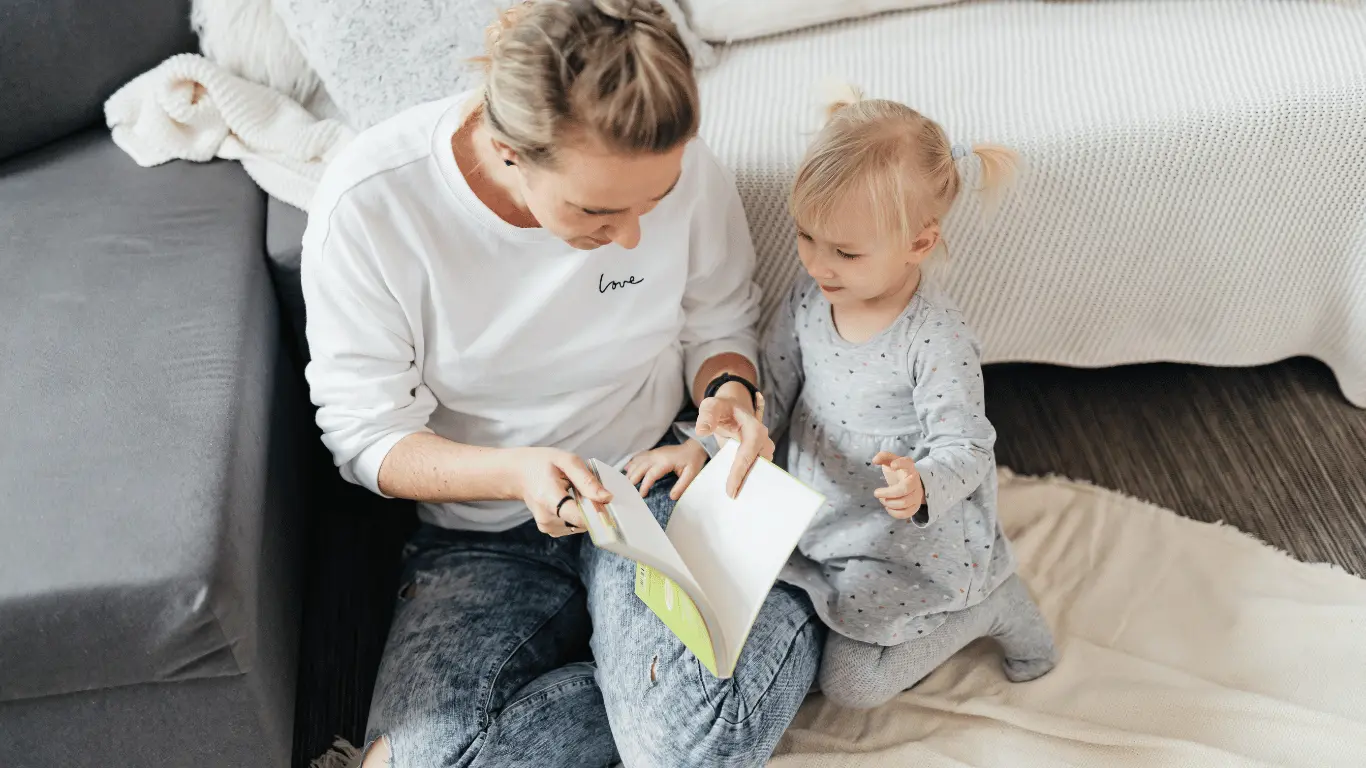
Reading together also strengthens relationships. Those shared moments on the sofa or at bedtime help children associate learning with warmth, attention, and connection.
Our Final Thoughts
Early maths learning does not need to look like formal teaching. In fact, some of the strongest foundations are built through everyday moments, shared stories, and meaningful conversations.
Books allow children to explore numbers, patterns, and maths language in a way that feels natural and enjoyable. Whether you are reading a counting book or a favourite story for the hundredth time, you are supporting important early maths skills along the way.
If you are looking to support your child with maths at home, start with a book. It is often the simplest tools that make the biggest difference.