
Parenting can feel like an emotional rollercoaster. One moment your child is laughing and playful, the next they’re in tears, angry, withdrawn or completely overwhelmed over what seems the smallest trigger. Many parents ask themselves: “Why does my child react like this?” or “What am I doing wrong?” The truth is, most behaviour isn’t about “good” or “bad” parenting at all. It’s about the nervous system.
Children’s nervous systems are still developing. The parts of the brain responsible for emotional regulation, impulse control and stress management are not fully formed until much later in childhood and adolescence. This means children literally cannot regulate themselves in the same way adults can. They rely on co-regulation, borrowing calm, safety and grounding from the adults around them. So, when your child is overwhelmed, they don’t need you to “fix” them. They need you to be the calm nervous system they can lean into.
Emotional States of our Nervous Systems
Our nervous systems are constantly scanning for safety or threat, even when we’re not aware of it. This happens through a process called neuroception which is our body’s built-in alarm system.
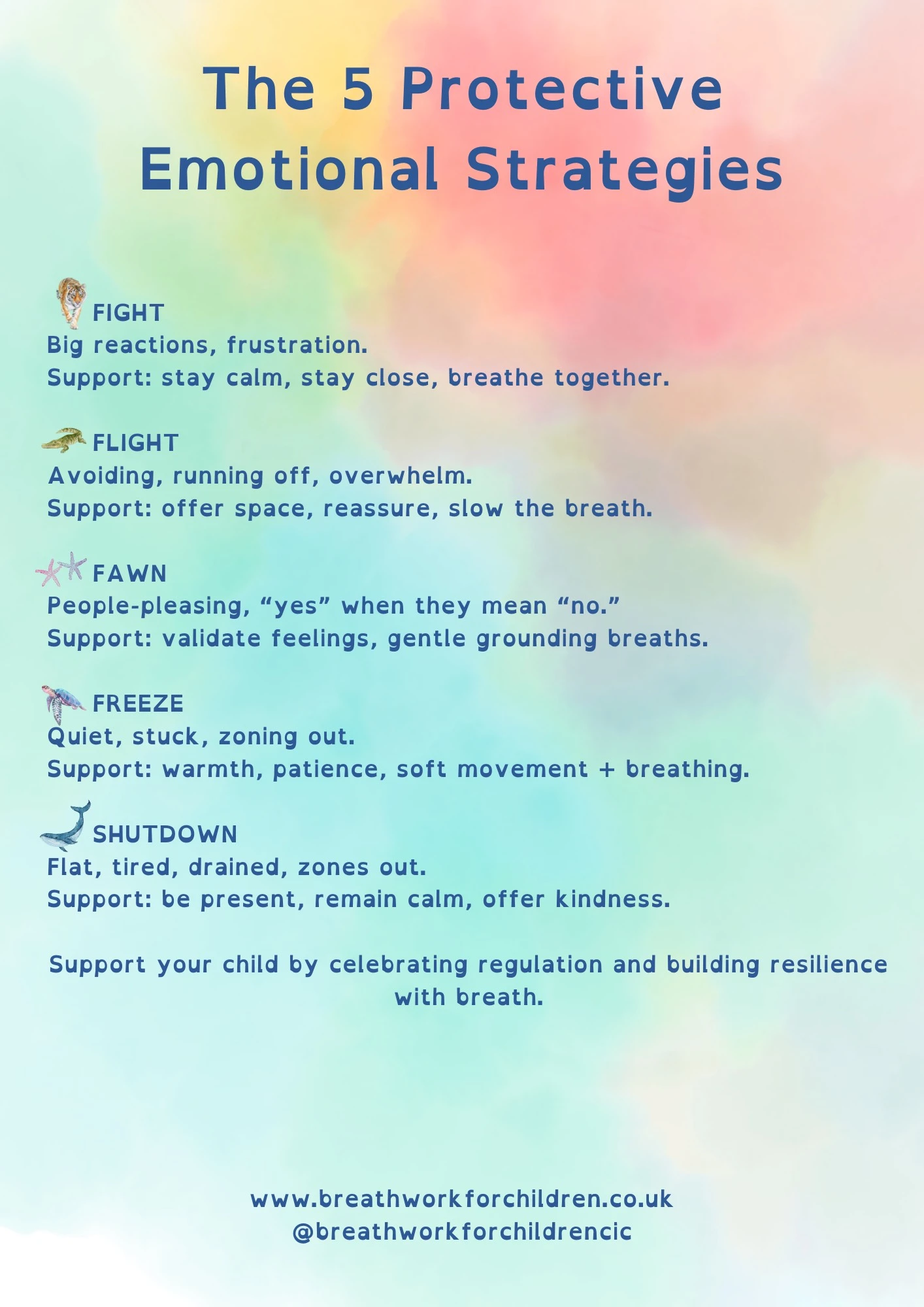
Throughout the day, we all move through five main emotional states:
1. Calm and Connected
2. Playful and Energised
3. Anxious or Overstimulated (Fight or Flight)
4. Overwhelmed or Shut Down (Freeze)
5. Exhausted or Burned Out (Collapse)
None of these states are wrong or unhealthy on their own. They are natural responses to life. The goal isn’t to keep ourselves or our children calm all the time, that’s impossible. The real skill is learning how to gently support a return to regulation or feeling grounded when things feel hard and because children’s nervous systems are still wiring themselves, they need support from an adult nervous system to find their way back to safety.
1. Calm and Connected
This is the state we often hear associated with “good behaviour.” In this state, the nervous system feels safe.
Children here can:
👦 Listen and communicate
👦 Show curiosity and flexibility
👦 Make eye contact
👦 Learn more easily
👦 Reflect on feelings
This is the state where growth both emotionally and academically happens best. But it isn’t permanent and it doesn’t need to be.
Regulation is a place where we ourselves and children return to when they feel safe, not a place they live all day.
How parents can help
Children learn regulation through co-regulation, borrowing calm from the adults around them. Because children’s nervous systems are immature, they need to feel your calm before they can find their own. When you slow your breathing, soften your voice and stay present, your child’s body receives a message of safety. Often, that alone is enough to settle big emotions.
This is also the perfect time to practise gentle tools like breathing games, visualisation or story-based activities. When children learn these skills while calm, they’re much more likely to use them when emotions run high.
Playful and Energised
This is the joyful, lively state, laughter, movement, imagination, excitement.
Children in this state might:
👧 Talk fast
👧 Be physically active
👧 Struggle to sit still
👧 Get overly silly or impulsive
This state is healthy and important, but it can tip into dysregulation if children become overstimulated.
How parents can help
Instead of trying to suppress energy, help channel it.
Movement, play and breathing work beautifully here:
👧 Dancing or shaking
👧 Animal or bubble breathing
👧 Jumping then slowing down together
👧 Gentle transitions before meals or bedtime
👧 Deep compressions
This is where playful breathwork really shines. Using imagination, pretending to blow up a balloon, cool hot chocolate, or breathe like an ocean animal, helps children regulate without feeling controlled. Breathing then becomes part of play, not a “calming strategy” but can be used when it’s needed within the other emotional states.
3. Anxious or Overstimulated (Fight or Flight)
This is the state most adults, especially parents find hardest. It is when the nervous system perceives threat even when nothing dangerous is happening.
Children may:
🧒 Have meltdowns or tantrums
🧒 Become aggressive or defiant
🧒 Cry intensely
🧒 Panic or cling
🧒 Appear “out of control”
In this state, the thinking brain goes offline. Children literally cannot reason or reflect. Their body is focused on survival. This is especially important to remember because their nervous system is still developing, now more than ever, they need an adult nervous system to guide them back to safety.
How parents can help
🧒 This state needs safety first, not logic.
Start with yourself:
🧒 Slow your breathing
🧒 Lower your voice
🧒 Reduce words
🧒 Soften your posture
Then offer:
🧒 Presence over problem-solving
🧒 Co-breathing
🧒 Reassurance
🧒 Gentle touch (if welcomed) or deeper touch if needed (bear hug)
Many parents say, “I know what helps, but I forget or I feel too overwhelmed to action this in the moment.” That is where having simple tools to use such as, familiar breathing routines, or cards, can be invaluable. They remove the need to think and allow you to regulate together. Remember the breath is with you wherever you go -no other tools or gimmicks… just controlled breath. Before you react, act… take a deep breath for yourself and your child.
4. Overwhelmed or Shut Down (Freeze)
This state is quieter and often overlooked.
Children may:
👦 Withdraw
👦 Go silent
👦 Avoid eye contact
👦 Seem numb or distant
👦 Struggle to express emotions
👦 This isn’t calm, it’s the nervous system protecting itself through shutdown.
How parents can help
This state needs gentle reconnection, not pressure.
Avoid:
👦 Forcing conversation
👦 Demanding explanations
👦 Rushing emotional processing
Instead:
👦 Sit close
👦 Offer warmth
👦 Use soft sensory tools (blankets, cuddles, calming stories)
Introduce slow, gentle breathing
👦 Talk about an alternative topic then slowly ask wider questions but not direct questions.
Some children find it easier to re-engage through imagination or play, rather than direct questions. Story-based breathwork or character-led activities can feel safer and less overwhelming than talking.
5. Exhausted or Burned Out
This state often follows prolonged stress the nervous system may have been under.
Children may:
👦 Be tearful
👦 Low energy
👦 Easily frustrated
👦 Disengaged
👦 Frequently unwell
This isn’t laziness, it’s a nervous system that needs rest.
How parents can help
This state needs:
👦 Simplicity
👦 Early nights
👦 Reduced expectations
👦 Fewer activities
👦 More physical comfort
Sometimes the most powerful regulation tool is simply doing less.
Short daily rituals, five minutes of breathing before bed, a grounding card before school, or a quiet pause after a long day, can support recovery without adding pressure.
Why Your Emotional State Matters So Much
Children learn emotional regulation through relationship. Before they can calm themselves, they borrow calm from you. This is co-regulation. Because their nervous systems are still developing, they need repeated experiences of safety with an adult to build their own capacity for regulation over time. Your tone, breath, posture and presence shape how safe your child feels. You don’t need to be calm all the time; you just need to notice when you’re not and repair when needed. Apologising, reconnecting, and breathing together teaches far more than perfection ever could.
Breath as a Gentle Bridge
Breath is one of the simplest and most effective tools for nervous system regulation.
It’s:
🧒 Always available
🧒 Free
🧒 Non-verbal
🧒 Safe for all ages
Simple practices include:
🧒 Belly breathing
🧒 Counting breaths
🧒 Imaginary breathing (balloon, waves, animals)
🧒 Breathing together silently
This is the foundation of breathwork for children, using play, imagination and stories to help children understand and regulate their bodies without feeling “in trouble” or “in therapy”.
Breath teaches the nervous system: “I am safe enough to slow down.”
Supporting Families Beyond the Home
Many parents want support but don’t know where to start. Breathwork sessions and parent workshops can offer a safe space to learn these tools, ask questions and understand emotional patterns, both in children and in ourselves.
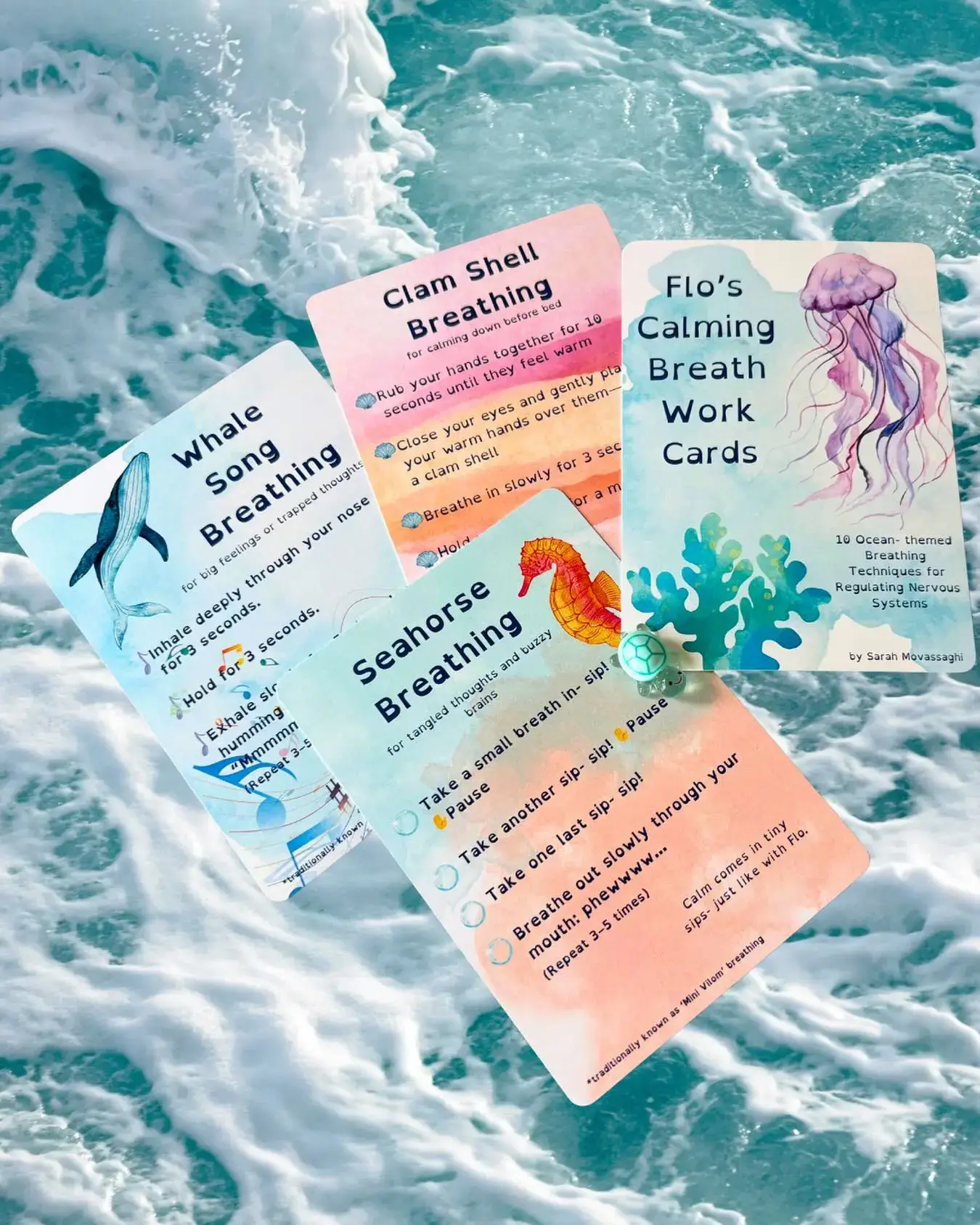
Breathwork cards and activities can also provide families with simple, practical tools they can use at home, in schools or during challenging moments. They help take the pressure off parents to “get it right” and instead offer shared rituals of calm and connection.
A Final Thought for Parents
You will lose patience.
You will get overwhelmed.
You will react.
And then you will repair.
That repair, the shared breath, the apology, the reconnection, is where emotional learning truly happens. Children don’t need perfect parents. They need present ones. When you ground yourself, you don’t just calm your child, you show them how to feel safe in their own body.
If you’d like more gentle tools, tips and family-friendly breathwork ideas and resources, you can follow me on social media or via our website, where I share practical advice for supporting children’s emotional wellbeing, nervous system regulation and everyday calm. Emotional regulation isn’t about controlling behaviour, it’s about building safety, connection and resilience, one breath at a time.
www.breathworkforchildren.co.uk
@breathworkforchildrencic