
I’ll never forget the day I stood in the shoe shop, staring down at my toddler’s feet, completely unsure about what choice to make. Were these shoes supportive enough? Too supportive? Should I go for soft soles, first walkers, trainers…or no shoes at all?
The truth is, as parents, we’re given very little guidance when it comes to our little one’s feet. Everyone seems to have a different opinion, and the “expert” advice I expected to find at the shoe shop was nowhere to be found.
That experience was one of the big reasons I started CeCe & Me, with a mission to make shoe shopping much easier for busy families and to help parents feel more confident about supporting their child’s foot development.
Because the thing is, once you understand a little about what’s happening with those tiny, growing feet, choosing the right footwear becomes a lot less confusing.
The early years really do matter when it comes to foot health. During the first 5 years of life, your child’s feet are developing rapidly, laying the foundations for balance, posture and movement that will support them for the rest of their lives.
So let me share a few key things every parent should know.
Children’s Feet Are Still Forming
Kids feet aren’t just small versions of adult feet. At birth, your baby’s foot is predominantly made of soft, flexible cartilage, not hard bone. This gradually hardens and fuses together over time, but the process isn’t complete until the late teens.
This means young feet are soft, adaptable and sensitive to pressure. If their toes are constantly squeezed or restricted, those developing bones can actually start to adapt to that shape. Giving little feet room to move naturally is one of the simplest ways to support healthy growth.
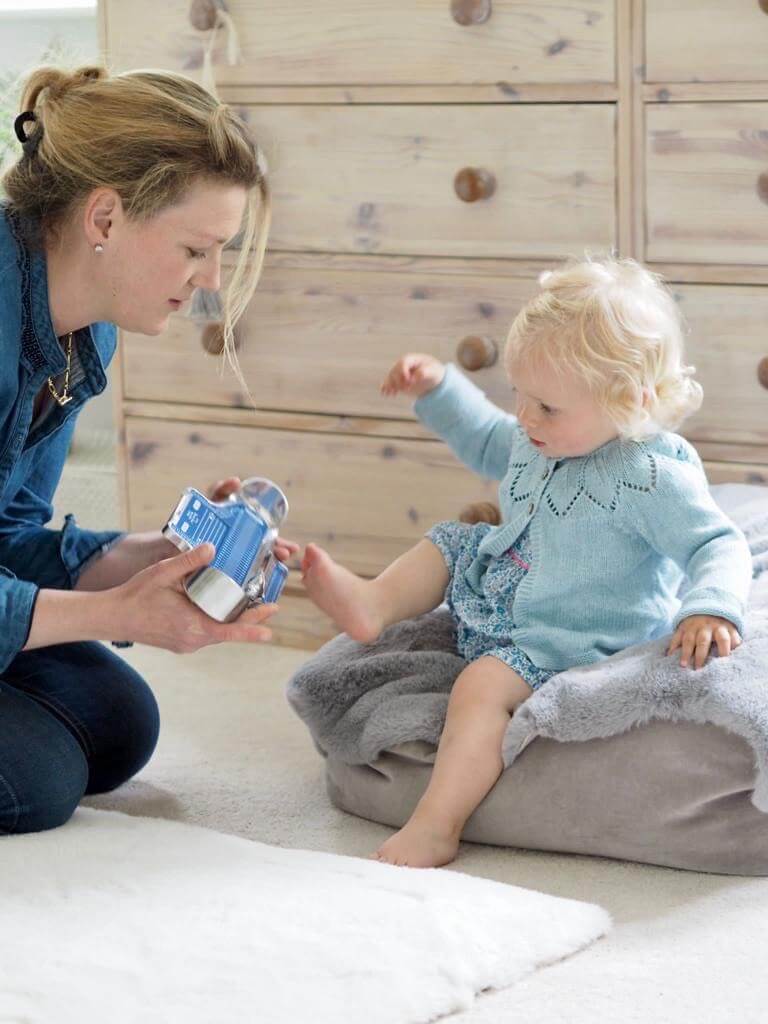
1. Feet Get Stronger Through Movement
This is the state we often hear associated with “good behaviour.” In this state, the nervous system feels safe.
Children here can:
👦 Listen and communicate
👦 Show curiosity and flexibility
👦 Make eye contact
👦 Learn more easily
👦 Reflect on feelings
This is the state where growth both emotionally and academically happens best. But it isn’t permanent and it doesn’t need to be.
Regulation is a place where we ourselves and children return to when they feel safe, not a place they live all day.
How parents can help
Children learn regulation through co-regulation, borrowing calm from the adults around them. Because children’s nervous systems are immature, they need to feel your calm before they can find their own. When you slow your breathing, soften your voice and stay present, your child’s body receives a message of safety. Often, that alone is enough to settle big emotions.
This is also the perfect time to practise gentle tools like breathing games, visualisation or story-based activities. When children learn these skills while calm, they’re much more likely to use them when emotions run high.
What About Flat Feet?
One of the most common questions parents ask is: “Should I be worried my child has flat feet?” In the vast majority of cases, the answer is no.
Young kids often appear flat-footed because they still have a protective fat pad under the arch area, and the muscles supporting the arch are still developing. Arches typically don’t become clearly visible until the early school years.
Rather than trying to “fix” flat feet, the focus should be on letting little feet move and strengthen naturally.
Why Barefoot Time Is So Beneficial
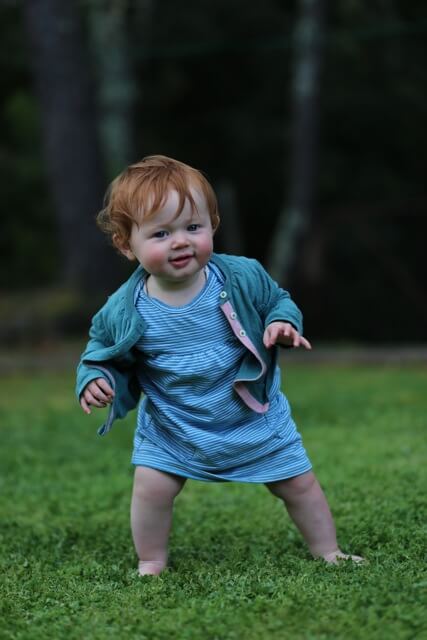
One of the best things for young children’s feet is simply time spent barefoot. The soles of the feet are packed with thousands of nerve endings that send crucial feedback to the brain about balance, coordination and spatial awareness.
When kids walk barefoot (or in socks), their feet can really feel the ground, strengthening naturally and helping build important connections in the brain.
Of course, being barefoot isn’t always practical or safe. But around the house or in the garden, it’s a fantastic way to support both physical and neurological development.
When Shoes Are Needed
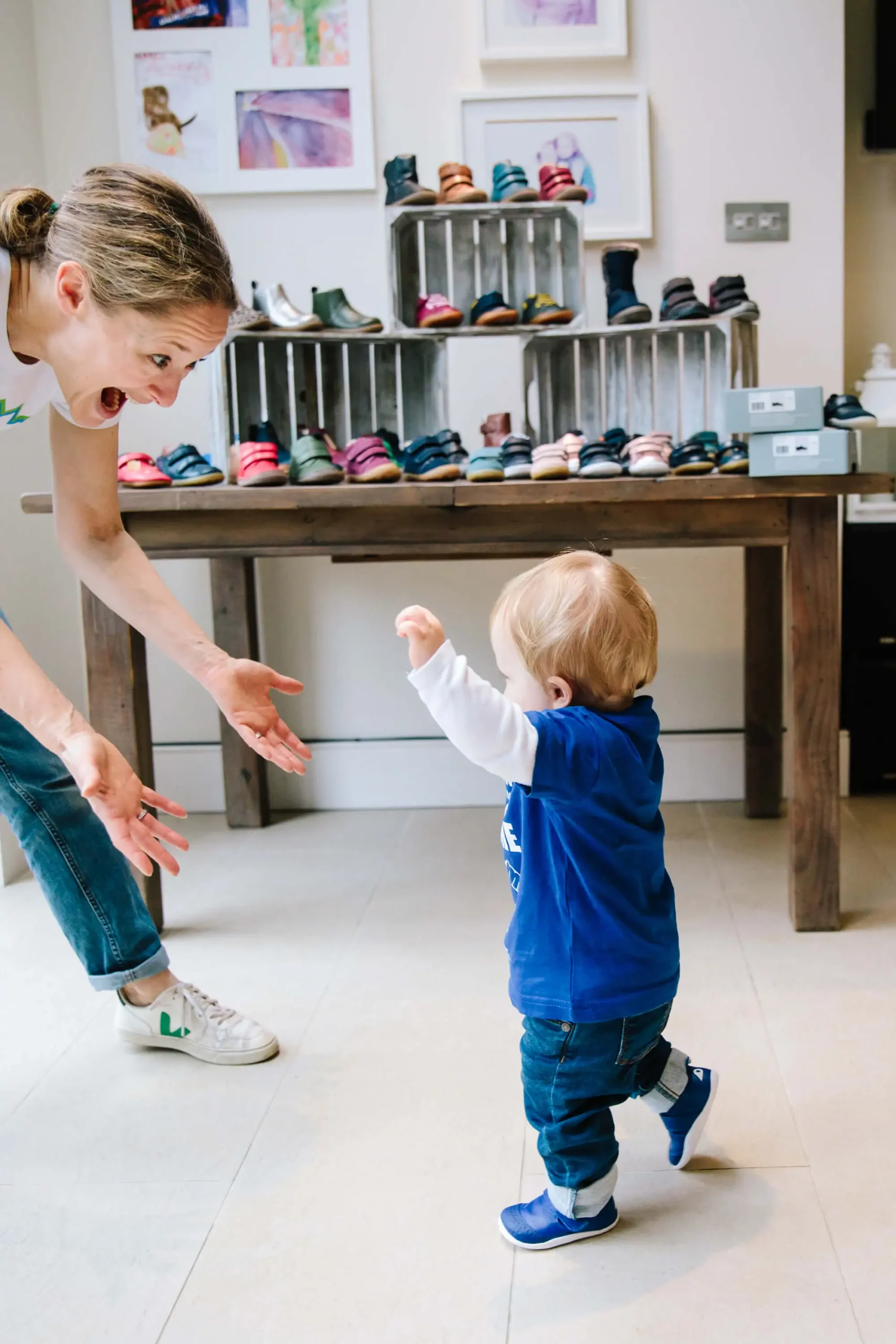
Shoes become important when little feet need protection, like outside, on rough surfaces or in colder weather. But in the early years, shoes aren’t there to support the foot in the same way adult shoes often are. Their main job is simply to protect while allowing natural movement.
That’s why conversations about “barefoot shoes” are growing louder. These are designed to mimic walking barefoot, with features like:
👣 Flat, flexible soles
👣 Wide toe boxes
👣 Breathable, malleable materials
Not every good kids’ shoe is labeled as “barefoot,” but many well-designed options share these characteristics.
The Most Important Factor? Fit
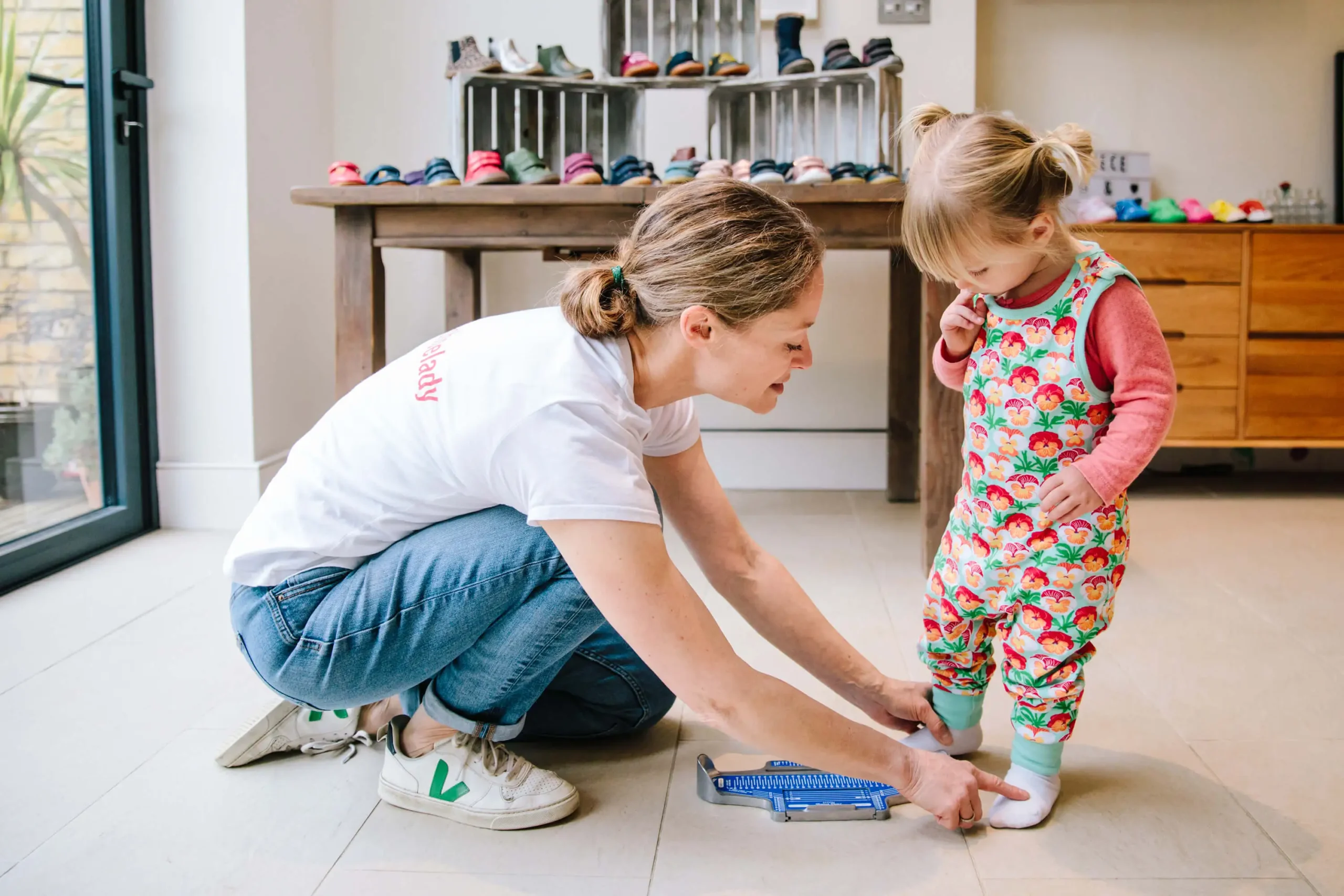
Even the best-designed shoe won’t support healthy development if it doesn’t fit properly. A well-fitting shoe should allow plenty of room for toes to move and spread, be securely attached across the top of the foot, and fit snugly at the heel.
Shoes that are too tight can restrict development, while shoes that are too loose can affect how a child walks and moves. That’s why it’s so important to check your child’s shoe size every 2–3 months until around age 5. Their feet grow quickly, and outgrown shoes can cause discomfort and impact foot development over time.
Building Strong Foundations
The early years are an incredible time for your child’s feet. They’re growing rapidly, developing strength and building crucial connections between body and brain.
The goal isn’t to find the “perfect” shoe or get everything right all the time. It’s about finding a healthy balance, plenty of barefoot time when safe, shoes that protect without restricting, and making sure those shoes fit well.
By giving little feet the freedom to move and develop naturally, you’re laying strong foundations for confident, healthy movement for years to come.
✅ Quick Checklist: Supporting Healthy Foot Development
As a quick guide, here are some simple things parents can keep in mind when choosing shoes and supporting their child’s growing feet:
✓ Give little feet plenty of barefoot time – When it’s safe, barefoot time at home or in the garden strengthens muscles and balance.
✓ Choose flexible, lightweight shoes – Shoes should allow natural foot movement.
✓ Make sure there’s room for toes to move – Look for a wide toe box to let toes spread comfortably.
✓ Don’t worry too much about flat feet in young children – Arches develop gradually; flat feet are common early on.
✓ Focus on protection rather than heavy support – Shoes mainly protect from rough surfaces and cold weather.
✓ Check your child’s shoe size regularly – Every 2–3 months until around age 5.
✓ Make sure shoes fit properly – Secure around the heel and top, with room for toes to move.
❓Common Questions Parents Ask About Children’s Shoes
About the Author
Sam Chetwood is the founder of CeCe & Me, a network of mobile children’s shoe-fitting specialists across the UK.
Sam started the business after experiencing first-hand how difficult it could be to find well-fitting shoes for her own young children. Today, CeCe & Me helps families access expert shoe-fitting advice through relaxed pop-up events, home visits, and local fittings, making shoe shopping easier for busy parents.
Passionate about children’s foot health, Sam and the CeCe & Me team are on a mission to help parents feel confident about supporting their child’s development and ensuring lots more healthy, happy little feet.
CeCe & Me is also growing through a franchise network, offering parents the opportunity to build a flexible, purpose-driven business supporting families in their local community.
Website: https://www.ceceandme.co.uk/
Instagram: https://www.instagram.com/ceceandmehq
Email: [email protected]