
Pediatric ADHD affects millions of children and families across the U.S., yet it remains one of the most misunderstood childhood mental health conditions. During Mental Health Awareness Month, it’s important to have informed conversations about how ADHD impacts learning, behaviour, emotional regulation, and family life.
For many families, ADHD isn’t just about distraction or excess energy—it affects relationships, self-esteem, academic performance, and daily routines. This month is an opportunity to shift the narrative from blame and frustration towards understanding, support, and evidence-based care.
What Is Pediatric ADHD?
Pediatric ADHD is a neurodevelopmental condition that affects how the brain regulates attention, impulses, and activity levels. According to the Centers for Disease Control and Prevention (CDC), millions of children in the U.S. have been diagnosed with ADHD—and many more may go undiagnosed.
ADHD in children typically presents in three ways:
- Inattentive type: difficulty focusing, forgetfulness, disorganisation
- Hyperactive-impulsive type: fidgeting, interrupting, difficulty waiting
- Combined type: a mix of both
But ADHD is more than behaviour—it’s a difference in brain function that affects executive functioning skills like planning, emotional regulation, organisation, and self-control.
How ADHD Affects Children’s Mental Health
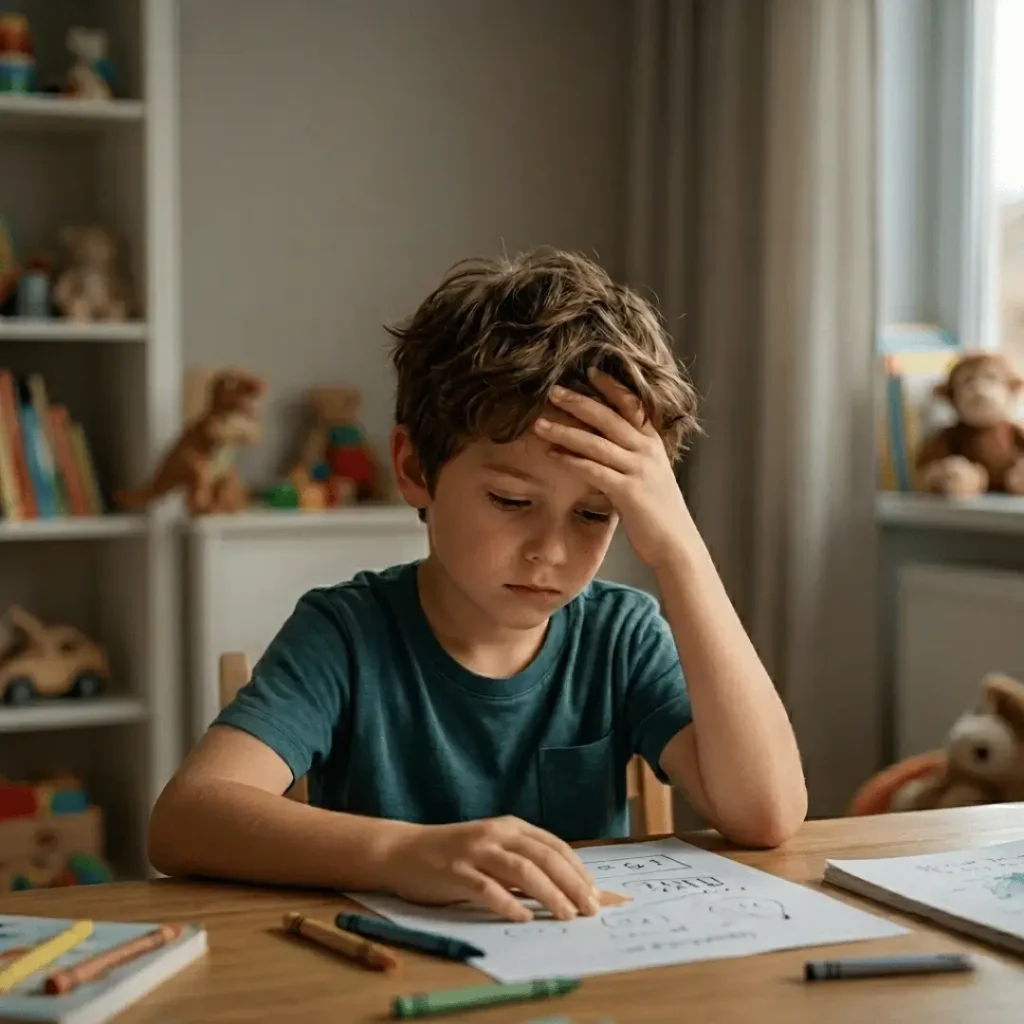
Children with ADHD are at higher risk for co-occurring mental health conditions such as anxiety, depression, and behavioural challenges. Without the right support, children may experience:
- Low self-esteem from repeated criticism or failure
- Struggles with peer relationships
- Academic difficulties
- Increased family stress
Early identification and support can significantly improve long-term outcomes for children and families.
Parent Training and Therapy for Children with ADHD
One of the strongest evidence-based treatments for pediatric ADHD isn’t just therapy for the child—it’s coaching and training for parents and caregivers.
Approaches like Parent-Child Interaction Therapy (PCIT) and behavioural parent training help caregivers:
- Give clear, effective instructions
- Reinforce positive behaviours
- Respond consistently to challenges
- Build stronger, more connected relationships
Research consistently shows that when parents are equipped with effective ADHD support strategies, children’s behaviour improves, stress decreases, and outcomes become more sustainable over time.
Common ADHD Challenges at Home and How Parents Can Help
Many ADHD symptoms in children show up during everyday routines and interactions at home.
Morning routines
Challenge: Constant reminders and slow transitions
Support: Visual schedules and step-by-step routines
Homework time
Challenge: Avoidance, frustration, and distractibility
Support: Short work intervals, movement breaks, and clear expectations
Emotional outbursts
Challenge: Big reactions to small triggers
Support: Co-regulation, calm responses, and predictable consequences
Following directions
Challenge: Appearing to ignore instructions or “not listen”
Support: Specific one-step commands and consistent follow-through
Small changes in how adults respond can lead to meaningful improvements in behaviour and emotional regulation.
Reducing ADHD Stigma and Building Understanding
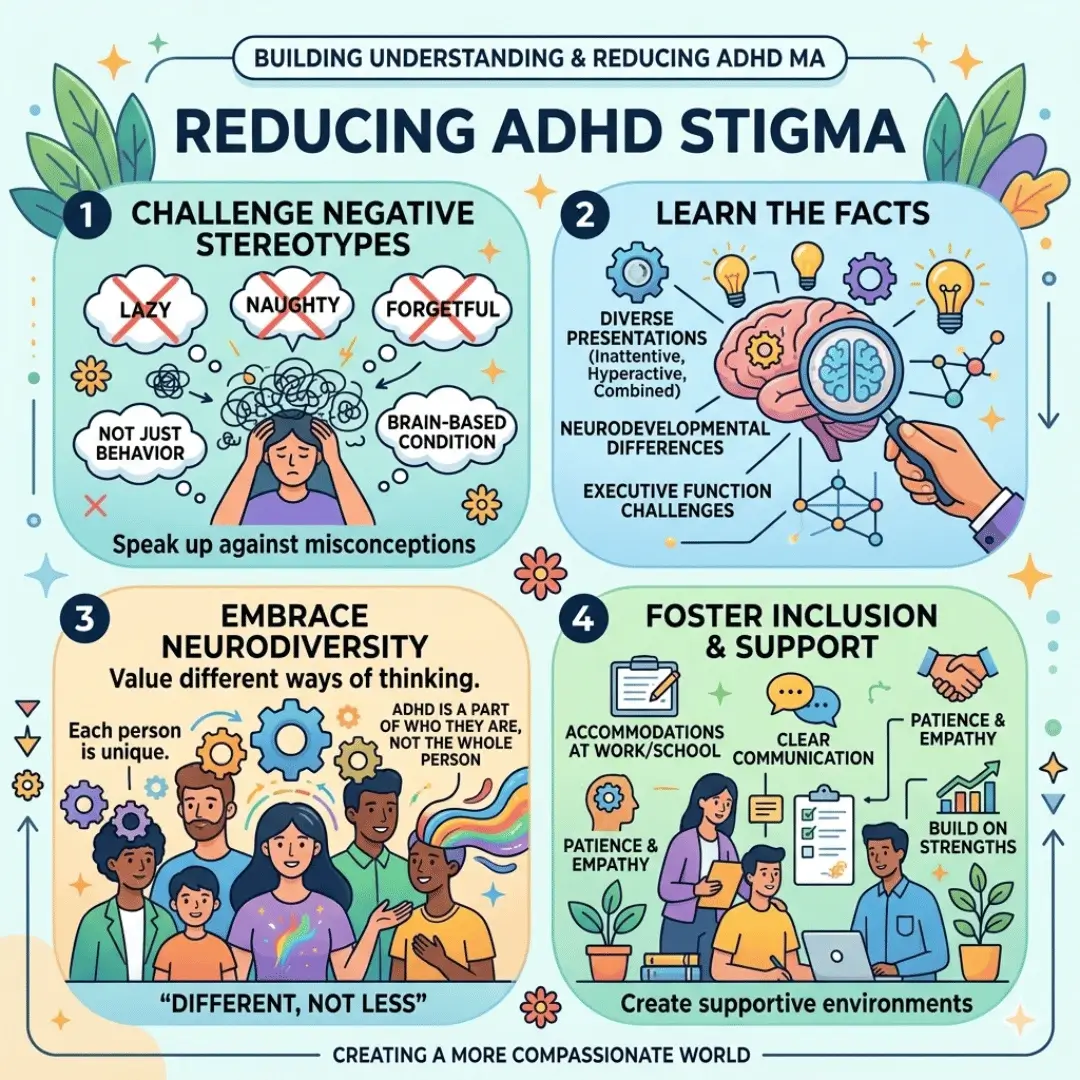
During Mental Health Awareness Month, it’s important to challenge common misconceptions about ADHD in children:
- ADHD is not caused by bad parenting
- Children with ADHD are not lazy or defiant
- With the right support, children with ADHD can thrive
In fact, many children with ADHD are highly creative, energetic, curious, and empathetic.
When to Seek Support for ADHD
If a child is consistently struggling with attention, impulsivity, behaviour, or emotional regulation across multiple settings—such as home, school, or social environments—it may be time to:
- Talk with a paediatrician
- Request a school evaluation
- Seek evidence-based parent coaching or therapy
Early support leads to better long-term outcomes for both children and families. Pediatric ADHD is not just a child’s condition—it’s a family experience. When we invest in families, we create stronger mental health outcomes for children.
Frequently Asked Questions About Pediatric ADHD
About the Author: Lauren Mills, LICSW
Hi, I’m Lauren Mills, a licensed clinical social worker and therapist. Lauren has practiced in the behavioural health field for over 20 years. I began my career serving children and families in a New York City health system and have since held leadership roles in tech-enabled healthcare companies.
My expertise is in evidence-based program design and pediatric behavioural health. I graduated from Columbia University with a degree in Social Work and am certified in Trauma-Focused Cognitive Behavioural Therapy.
Website: pinwheelhealth.com
Email: [email protected]
Instagram: @hellopinwheel